top of page

Composting 101
6 septembre 2026
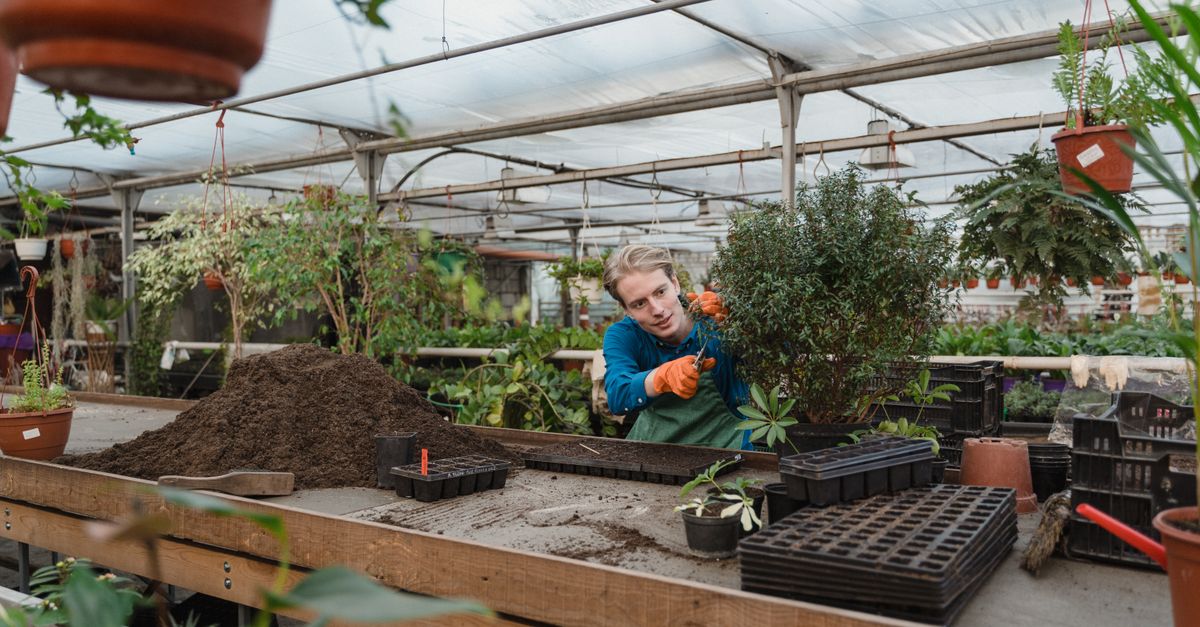
Composting is a practice that has been around for centuries, deeply rooted in our connection to the earth and the environment. The process of composting is universally recognized as a simple yet powerful way to reduce waste and create nutrient-rich soil for gardening. Essentially, it involves the decomposition of organic materials such as food scraps, yard waste, and paper products into a dark, crumbly substance known as compost. This compost, at its core, is a natural fertilizer that can improve soil structure, retain moisture, and promote plant growth without the need for harmful chemicals.
When speaking about composting, it is important to understand the fundamentals of the process. Primarily, composting requires a proper balance of green materials, which are high in nitrogen, and brown materials, which are high in carbon. Commonly found green materials include fruit and vegetable scraps, coffee grounds, and grass clippings, while brown materials consist of dried leaves, straw, and cardboard. Typically, a ratio of roughly 2 parts green to 1 part brown is ideal for creating a healthy compost pile. This balance is conventionally known as the key to successful composting.
Overall, composting is a sustainable and environmentally friendly way to manage organic waste while creating a valuable resource for your garden. By engaging in this natural process, you are contributing to a healthier planet and a more vibrant ecosystem. So, whether you are a seasoned gardener or just starting out, learning the basics of composting can be a rewarding and fulfilling experience.
On the other hand, understanding the art of composting can go beyond just its environmental benefits. It can also be a creative and educational process for individuals of all ages. Implementing composting in schools, for instance, can serve as a hands-on lesson for students about the importance of sustainability and the natural cycle of decomposition. By witnessing food scraps turn into nutrient-rich soil, young learners can grasp the concept of waste reduction and appreciate the value of organic materials.
Moreover, composting doesn't require extensive space or equipment. It can be done on a small scale in urban environments using indoor bins or outdoor containers. The versatility of composting methods allows it to be tailored to different living situations, making it accessible to a wide range of people. Whether you live in a bustling city or a rural area, composting can be adapted to suit your needs while making a positive impact on the environment.
In reality, the benefits of composting extend far beyond gardening and waste reduction. By diverting organic materials from landfills, composting helps reduce greenhouse gas emissions and minimizes the production of methane, a potent contributor to climate change. These small individual actions can collectively lead to significant environmental improvements on a larger scale, showcasing the power of community involvement in sustainability efforts.
Incorporating composting into your daily routine not only enriches your outdoor space and nurtures plant life but also fosters a deeper connection with the natural world. It serves as a reminder of the cyclical nature of life, where what is discarded can be transformed into something valuable and beneficial for the earth.

The Basics of Soil Enrichment
With this in mind, it becomes evident that the impact of composting reaches far beyond individual gardens. Schools, communities, and even large-scale agricultural operations are recognizing the value of composting as a sustainable practice that benefits both the environment and the quality of the soil. By diverting organic waste from landfills and converting it into a valuable resource, we are actively participating in the preservation of our planet for future generations.
One of the significant advantages of composting lies in its ability to improve soil health naturally. When organic matter decomposes into compost, it enhances the soil's fertility, structure, and overall nutrient content. This, in turn, leads to healthier plants with stronger root systems and increased resistance to pests and diseases. By nourishing the soil through composting, gardeners can create a self-sustaining ecosystem that thrives without the need for synthetic fertilizers or harmful chemicals.
Furthermore, the process of composting can be a continuous cycle of sustainability. As organic materials break down and enrich the soil, they support the growth of new plants, which eventually contribute to the production of more organic waste. This cycle, when maintained properly, ensures that the soil remains fertile and productive over time, promoting biodiversity and ecological balance.
In essence, composting is a holistic approach to soil enrichment that not only benefits individual gardens but also plays a vital role in broader environmental conservation efforts. It highlights the interconnectedness of all living organisms and serves as a tangible way for individuals to participate in the regeneration of the earth. As we continue to embrace the principles of composting, we are actively engaging in a positive change that resonates across landscapes, communities, and ecosystems.
As a result of these collective efforts, the practice of composting emerges as a beacon of hope for sustainable living and environmental stewardship. By embracing the simplicity and effectiveness of composting, individuals can actively contribute to the health of our planet and preserve its resources for future generations. Through this natural process, we not only enrich our soils and cultivate healthier gardens but also instill a sense of responsibility towards the earth we inhabit.
Conclusively, composting stands as a testament to the power of mindful actions in promoting ecological harmony. Its impact transcends individual plots of land, resonating across communities and ecosystems, fostering a sense of interconnectedness with nature. By nurturing the soil through composting, we partake in a cyclical journey of regeneration, turning what is often deemed as waste into a precious resource that sustains life itself. So, whether you are nurturing a backyard garden, educating young minds, or supporting large-scale agricultural ventures, the practice of composting offers a tangible way to engage in environmental conservation and foster a greener, more sustainable world.

Heading 5
Add paragraph text. Click “Edit Text” to update the font, size and more.
Heading 5
Add paragraph text. Click “Edit Text” to update the font, size and more.
Heading 5
Add paragraph text. Click “Edit Text” to update the font, size and more.
bottom of page