top of page

Everyday Plant Care: A Practical Guide to Healthier Plants
18 octobre 2026

Healthy plants begin with the basics: the right light, appropriate water, and suitable growing medium. Start by assessing where you want to place a plant. Light levels vary dramatically between windows, balconies, and shaded corners—north-facing windows often provide lower light while south- or west-facing spots give stronger, direct sun. Match plant species to that light level rather than forcing a plant into an unsuitable location. Observe for signs like leggy growth or scorched leaves; these are clues the lighting needs adjusting.
Watering is equally foundational, but often misunderstood. Rather than following a fixed schedule, check soil moisture by feeling the top inch or using a simple moisture meter. Many plants prefer a cycle of wet then drying slightly; overwatering is a leading cause of root problems. Use pots with drainage holes, and allow excess water to escape and evaporate. For larger garden beds, aim to water deeply and less frequently to encourage deeper root systems.
Soil and potting mixes influence everything from drainage to nutrient availability. Indoor container plants typically thrive in mixes that balance moisture retention with aeration—look for blends containing peat, composted bark, or perlite. Outdoor garden soil benefits from organic matter: compost improves texture, drainage, and fertility over time. Test the soil when possible to learn pH and nutrient tendencies; many plants have specific pH preferences, but most common ornamentals do well in slightly acidic to neutral soils.
Observing plants regularly creates a feedback loop: changes in leaf color, growth rate, or flowering indicate whether light, water, or soil should be adjusted. With these fundamentals in place, more targeted care—watering rhythm, feeding, and occasional maintenance—becomes far easier and more effective. The next section covers practical routines and small interventions that keep plants vigorous throughout the year.
Establishing practical routines brings consistency to plant care without excessive effort. Start with a watering strategy tailored to species and season: most houseplants need less water in cooler months and more during active growth in spring and summer. For containers, water until you see excess drain from the bottom, then allow the top layer to dry before watering again. For outdoor beds, deep soaking once or twice weekly often outperforms light daily sprinkling by promoting stronger roots.
Feeding plants supplies nutrients they can’t always extract from potting mixes or depleted garden soil. Use balanced, water-soluble fertilizer for houseplants during active growth, following package dilution instructions to avoid salt build-up. Slow-release granular fertilizers are practical for containers and garden borders, providing steady nutrients with minimal intervention. Organic options—compost tea, fish emulsion, or well-composted manure—can improve soil biology as well as nutrition, but apply them sensibly to avoid overfertilizing.
Repotting and root care help plants avoid becoming pot-bound and stressed. Repot container plants when roots circle the pot or growth slows; choose a container only one size larger to prevent excess moisture retention. When repotting, gently tease roots and refresh the potting mix. For garden plants, occasional soil aeration and top-dressing with compost mitigate compaction and replenish nutrients.
Humidity and air circulation influence leaf health, especially indoors. Many tropical species appreciate higher humidity—grouping plants, using pebble trays, or a humidifier can help—while good airflow reduces fungal issues. Pruning is not just cosmetic: removing dead or diseased material, shaping growth for light access, and pinching back tips to encourage bushiness are simple practices that improve vigor. In the next section, these routines are applied to outdoor garden strategies, pest prevention, and site planning to create a resilient landscape.
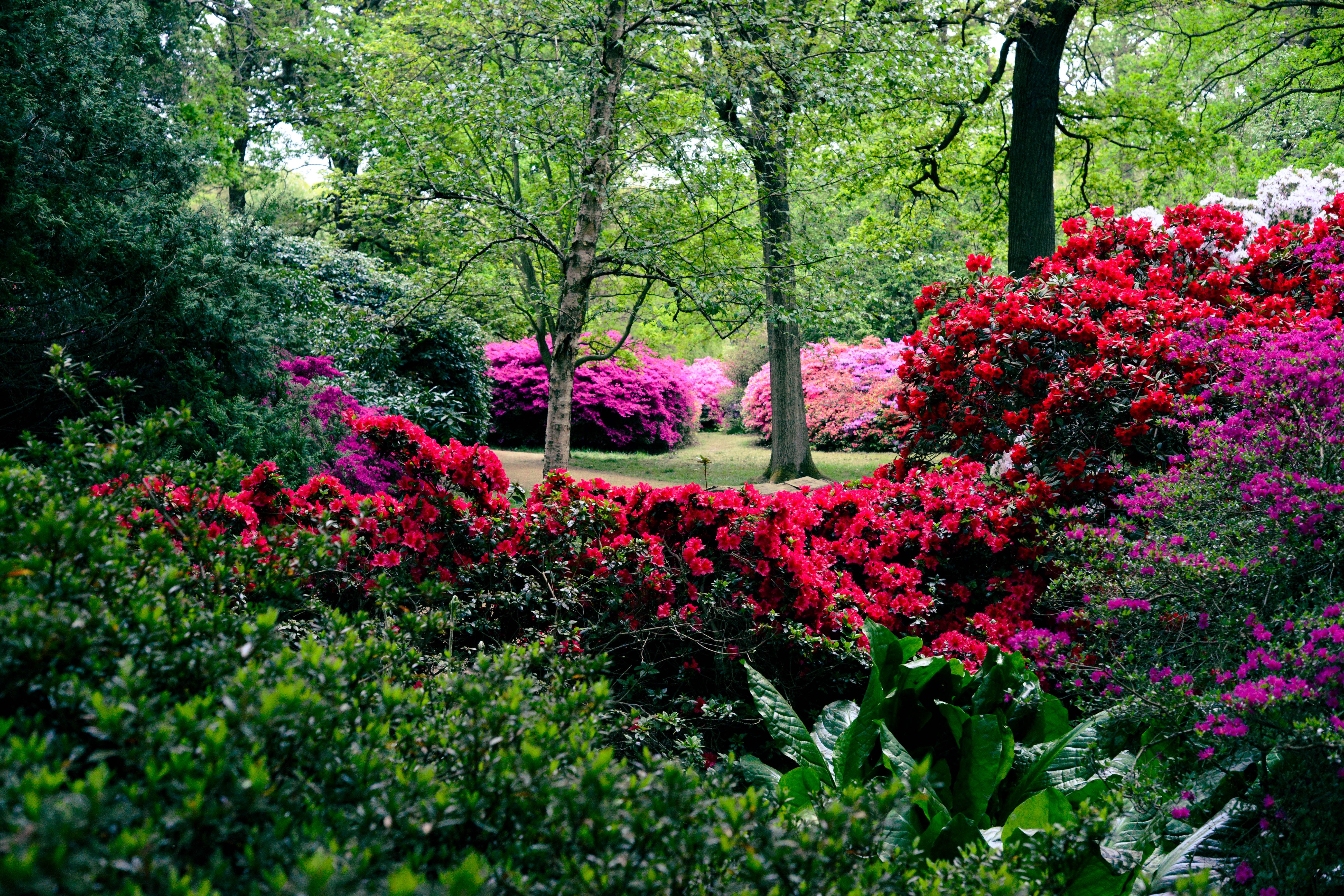
Simple Habits and Smart Choices for Thriving Indoor and Outdoor Plants
Designing and maintaining an outdoor space relies on combining the right plants with sound site preparation and ongoing care. Begin by observing microclimates in your yard—areas that are hotter, cooler, wetter, or drier than the general site. Plant choice should align with these microclimates to reduce maintenance: drought-tolerant varieties in hot, exposed beds; moisture-loving species in low spots.
Soil preparation is crucial before planting. Incorporate generous amounts of organic matter into heavy clay or sandy soils to improve structure and water retention. Raised beds can help control soil conditions and improve drainage. Mulching is a low-effort way to conserve moisture, suppress weeds, and slowly add organic matter as it breaks down. Apply a 2–4 inch layer, keeping mulch slightly away from stems and trunks to prevent moisture-related rot.
Pest and disease management is easier when plants are healthy and diverse. Encourage beneficial insects—predatory beetles, parasitic wasps, and pollinators—by planting a variety of flowering species and avoiding broad-spectrum pesticides. Regular inspection helps catch problems early: look beneath leaves for eggs or small pests, and remove affected tissue promptly. For localized infestations, mechanical controls (handpicking, water sprays) and targeted, least-toxic treatments can often restore balance without harming beneficials.
Strategic planting—grouping species with similar water and light needs—reduces wasteful irrigation and simplifies care. Companion arrangements can suppress weeds and attract helpful insects, but the priority is compatibility: root depth, mature size, and seasonal habits should fit the space. For container or balcony gardeners, lightweight soil mixes, appropriate drainage, and attention to wind exposure will keep plants thriving. With good design and steady maintenance, outdoor and container gardens become resilient systems that require fewer emergency fixes. The next section offers troubleshooting tips and a seasonal checklist to keep plants healthy year-round.
Troubleshooting common problems saves time and prevents minor issues from becoming crises. Yellowing leaves often indicate overwatering, nutrient deficiency, or inadequate light; check soil moisture, light levels, and consider a balanced fertilizer if nutrient deficiency is suspected. Brown leaf tips can come from low humidity, salt accumulation from fertilizers, or inconsistent watering—flush container soil occasionally to remove built-up salts and adjust watering habits. Slow growth typically signals restricted roots, low light, or lack of nutrients; investigate repotting, light adjustments, and a feeding schedule.
A seasonal calendar helps translate routines into timely actions. In late winter to early spring, clean up dead material, sharpen pruning tools, refresh potting mix for plants coming out of dormancy, and begin a light feeding regimen for active growers. Late spring is prime planting time for many species—focus on site preparation and establishing young plants with regular deep watering. Summer routines involve monitoring for heat stress, increasing watering frequency where needed, and applying mulch to conserve moisture. In fall, reduce feeding, gradually lower watering, and protect tender plants from first frosts or bring containers indoors.
A concise checklist for ongoing care prevents oversight: inspect plants weekly for pests and stress signs, check soil moisture before watering, rotate container plants to encourage even light exposure, top-dress garden beds with compost twice a year, and document changes so patterns become easier to read. Keep a few versatile tools on hand—a sharp pair of shears, moisture meter, watering can with a gentle rose, and a small hand trowel—to make routine tasks quick and effective.
Consistent observation and incremental adjustments are the most powerful habits for thriving plants. Small, timely interventions—correct watering, appropriate feeding, and good siting—accumulate into robust growth and fewer emergencies, allowing plants to perform their best throughout the seasons.

Heading 5
Add paragraph text. Click “Edit Text” to update the font, size and more.
Heading 5
Add paragraph text. Click “Edit Text” to update the font, size and more.
Heading 5
Add paragraph text. Click “Edit Text” to update the font, size and more.
bottom of page