top of page

Everyday Plant Care: Build Healthy, Happy Green Spaces
23 octobre 2026

Successful plant care begins with matching the right plant to the right place. Whether planning an indoor collection or a backyard bed, consider the local microclimate, the amount of light available, and how much time is available for daily maintenance. Observe where sunlight falls through the day: south- and west-facing windows provide stronger light suited to sun-loving species, while east- and north-facing exposures favor shade-tolerant varieties. For outdoor gardens, note areas of frost pockets, afternoon heat, and wind exposure to select plants that will thrive without excessive correction.
Soil is the foundation for plant health. Different plants prefer different soil textures and pH levels; many garden centers and extension services can provide simple tests to determine acidity and nutrient status. For containers, use a quality potting mix rather than garden soil—potting mixes are designed for drainage and aeration, which are critical for roots in confined spaces. Ensure drainage holes and consider adding a layer of gravel or broken pottery at the bottom only if drainage remains slow; in most cases, choosing a free-draining mix is more effective.
Plant selection should account for maintenance needs. Low-maintenance species are ideal for busy households or first-time gardeners, while hobbyists may opt for varieties that reward hands-on care. Read plant labels for mature size, light needs, and water habits, and group plants with similar requirements together to simplify care.
Finally, create a basic schedule for routine tasks like watering checks, light adjustments, and seasonal inspections. Keeping a simple journal or digital note about when a plant was repotted, fertilized, or showed signs of stress can help identify patterns and make future care more effective. These foundational choices set the stage for healthier, more resilient plants.
Watering is one of the most common challenges for plant owners, and getting it right greatly reduces stress for both plants and caregivers. The goal is to keep roots moist but not waterlogged. For potted plants, water thoroughly until excess drains from the bottom, then allow the top layer of soil to dry according to the species’ needs—succulents and many drought-tolerant plants prefer longer dry intervals, while ferns and some tropicals require consistently moist soil. For garden beds, deep, infrequent waterings encourage deeper root development; use a soaker hose or drip irrigation to deliver water slowly and efficiently to the root zone.
Learn simple moisture checks: press a finger into the top inch of soil for small pots, or use a moisture meter for larger specimens. Weight is another guide—lift a pot after watering to sense the heavier weight and compare it to when it dries. Signs of overwatering include yellowing leaves, soft stems, and root odor; signs of underwatering are wilting, brown leaf margins, and slowed growth.
Nutrition supports growth but is best provided according to plant stage and needs. Fertilizers vary in macronutrient balance (N-P-K) and form. Use a balanced, labeled fertilizer for general maintenance, and consider a bloom-boosting formula for flowering species. Organic options—compost, worm castings, and well-aged manure—also supply nutrients and improve soil structure. Apply slow-release fertilizers sparingly and follow package directions to avoid salt buildup. Regularly amending garden soil with compost improves moisture retention and microbial health, reducing the need for frequent synthetic inputs.
Repotting and seasonal feeding: repot root-bound plants into slightly larger containers and refresh the potting mix every one to three years depending on growth. In outdoor beds, top-dress with compost in spring and fall to replenish nutrients. Thoughtful watering and feeding routines keep plants vigorous and better able to resist pests and disease.
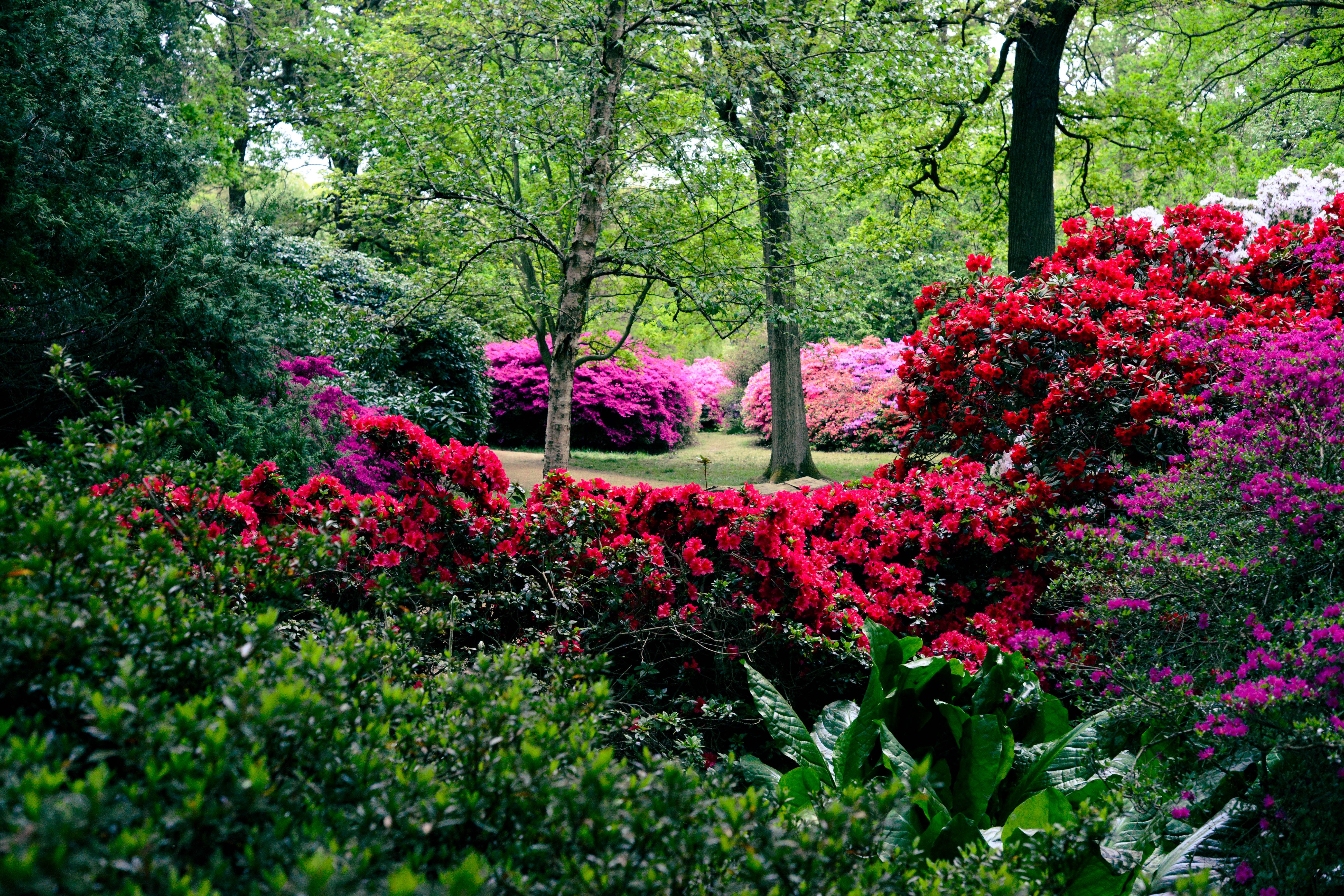
Practical Gardening Tips for Thriving Indoor and Outdoor Plants
Pests and diseases are part of gardening, but many problems can be managed with observation and non-chemical strategies. Inspect plants regularly for early signs: stippling, holes, webbing, sticky residue, or discolored spots can indicate specific pests or fungal issues. Good cultural practices—proper spacing for air circulation, clean pruning tools, prompt removal of dead foliage, and avoiding overhead watering—reduce conditions that favor disease.
Integrated pest management (IPM) emphasizes prevention, monitoring, and the least disruptive controls. Start with physical methods: handpick larger pests, blast soft-bodied insects off with water, and install barriers or sticky traps where appropriate. Encourage beneficial insects by planting a diversity of blooms and avoiding broad-spectrum pesticides that harm predators like lacewings and predatory beetles. For stubborn infestations, targeted biologicals or horticultural oils and soaps can be effective when used according to label instructions.
Pruning supports health and structure. Remove dead or crossing branches, thin crowded areas to improve light and airflow, and shape plants using clean, sharp tools. For flowering shrubs and many perennials, learn whether they bloom on old or new wood to avoid cutting off next season’s flowers. Propagation expands a collection and shares plants without significant cost: take stem cuttings, divide clumping perennials, or start seeds from ripe pods. Each method has timing and technique nuances—cuttings often root best in warm, humid conditions with mild rooting hormone, while division is most successful when plants are dormant or entering a growth phase.
Seasonal adjustments are essential. Protect tender plants from frost with covers or move containers to sheltered spots; reduce water and feeding during dormancy periods; and refresh mulch annually to conserve moisture and suppress weeds. With attentive monitoring and appropriate cultural methods, many pest and disease issues can be minimized before severe damage occurs.
Building a sustainable maintenance routine makes long-term success easier and more enjoyable. Create a weekly and seasonal checklist: quick water checks and pest scans weekly, fertilizing and pruning tasks scheduled by season, and repotting or major soil work planned for spring or fall. Keep a simple log noting problems and treatments—over time, this record reveals what works in a particular space and climate. Troubleshooting common problems begins with observation: yellow leaves often point to watering or nutrient issues, stunted growth may signal root crowding or poor light, and abrupt leaf drop usually results from environmental stress like temperature changes or drafts.
Sustainability measures benefit plants and the environment. Compost kitchen scraps and yard waste to build soil health, capture rainwater in barrels to reduce reliance on treated water, and choose native or well-adapted species that require fewer inputs. Mulching conserves moisture, suppresses weeds, and gradually improves soil as it breaks down. Consider wildlife-friendly practices like leaving some seed heads in winter for birds and incorporating a mix of flowering plants that provide nectar across seasons.
Regular attention, rather than sporadic fixes, is the most reliable path to thriving plants. Small, consistent habits—checking soil moisture, observing growth patterns, and making incremental adjustments—prevent many larger problems. Gardening and plant care combine practical techniques with a willingness to learn from each season. With thoughtful plant selection, appropriate watering and feeding, proactive pest and disease management, and an organized maintenance plan, both new and experienced gardeners can foster resilient, rewarding green spaces.

Heading 5
Add paragraph text. Click “Edit Text” to update the font, size and more.
Heading 5
Add paragraph text. Click “Edit Text” to update the font, size and more.
Heading 5
Add paragraph text. Click “Edit Text” to update the font, size and more.
bottom of page