top of page

Everyday Plant Care: Practical Gardening Tips for Thriving Greenery
12 novembre 2026

Understanding the basics of plant care sets the foundation for a successful garden, whether tending houseplants or managing an outdoor bed. At the heart of plant health are a few consistent principles: appropriate light, balanced water, well-structured growing medium, and timely attention. Plants are not all the same—each species has a preferred combination of these factors—so the first step is to match plants to the conditions you can provide. Start by observing the light patterns in your space: how much direct sun, bright indirect light, or deep shade is available throughout the day. Equally important is choosing containers and soil mixes that support drainage and root health. Most potted plants do best in a mix that balances water retention with aeration, while garden beds benefit from organic matter to improve structure.
Routine observation is a powerful tool. Regularly check leaves, stems, and soil to spot early signs of stress like yellowing, wilting, or slowed growth. Invest in a few basic tools—hand pruners, a trowel, a watering can with a narrow spout, and gloves—and keep them clean to prevent disease spread. Group plants with similar needs together; this simplifies care and helps you avoid over- or under-watering. For newcomers, start with forgiving species suited to your light and climate: hardy outdoor natives for gardens, or adaptable houseplants for interiors. Over time, learning how individual plants respond to changes in their environment will teach you the small adjustments that make a big difference, such as relocating a pot a few feet or tweaking watering frequency. These small, consistent steps create a resilient, easier-to-manage plant collection.
Water, light, and soil are the three pillars that directly influence plant growth. Watering practices vary by species and season, but the goal is the same: satisfy root moisture needs without drowning them. Many houseplants thrive with a soak-and-dry approach—water thoroughly until excess drains out, then allow the top portion of the potting mix to dry before the next watering. For outdoor beds, aim to water deeply and infrequently to encourage roots to grow downward rather than staying shallow. Container gardeners should prioritize drainage: use pots with holes, place a layer of coarse material or mesh above the drain hole if needed, and avoid saucers that hold standing water for long periods.
Soil composition matters. A quality potting mix for containers typically contains a blend of peat or coir for water retention, perlite or grit for aeration, and compost for nutrients. Garden soil improves with the addition of organic matter—compost or well-rotted manure— which enhances structure, moisture-holding capacity, and microbial life. Testing pH can be useful for sensitive species; many ornamentals and vegetables prefer slightly acidic to neutral soil, while some plants favor alkaline conditions.
Light intensity and duration shape plant form and flowering. Bright indirect light suits many popular houseplants; succulents and cacti need several hours of direct sun, while ferns and low-light plants perform better with filtered or reflected light. When natural light is limited, full-spectrum grow lights can supplement daylight—choose fixtures appropriate for the size of the planting area and the plants’ light requirements. Adjust watering and feeding schedules with seasonal changes: reduced light and cooler temperatures usually mean slower growth and less frequent watering in winter.
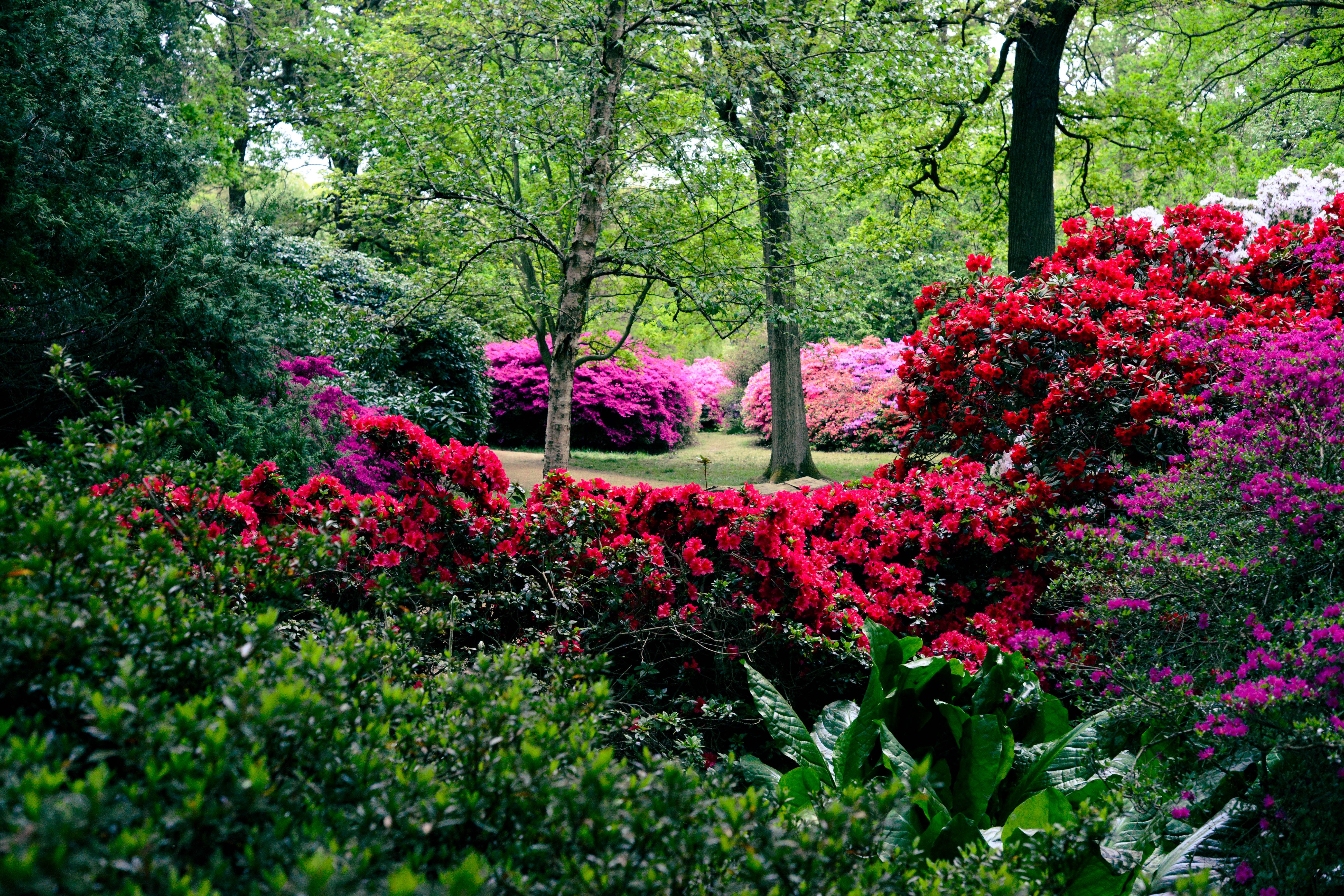
Simple Routines and Solutions for Healthy Indoor and Outdoor Plants
Keeping plants healthy also means preventing and managing pests, diseases, and nutrient imbalances. Begin with cultural practices that reduce problems: avoid overwatering, provide good air circulation, keep leaves clean of dust, and remove dead or diseased material promptly. For pests like aphids, mealybugs, spider mites, and scale, first try mechanical removal—wiping leaves, rinsing plants, or using a stream of water to dislodge insects. If problems persist, use targeted, low-toxicity options such as insecticidal soaps or horticultural oils that act on contact and typically break down quickly. Monitor plants regularly so small infestations don’t become outbreaks.
Fertilizing replenishes nutrients that plants use during growth. Choose a fertilizer suited to the plant type and life stage: a balanced formulation for general use, higher-phosphorus blends to encourage flowering, or nitrogen-focused feeds for leafy growth. Slow-release granules can provide steady nutrition over several months, while liquid fertilizers offer quick uptake when plants need an immediate boost. Apply according to label directions and err on the side of underfeeding—excess fertilizer can burn roots or cause weak, leggy growth.
Pruning, repotting, and division are practical maintenance tasks. Prune dead or crossing branches to improve form and airflow, and trim leggy stems to encourage branching. Repot when roots are visibly crowded or growing out of drainage holes; spring is often the best time for repotting active growers. Division works well for many perennials and clumping houseplants that produce offsets. Seasonal tasks include mulching outdoor beds to conserve moisture and suppress weeds, and protecting tender plants from frost with covers or by moving containers to sheltered locations.
As plant care becomes part of routine, refine techniques and troubleshoot common issues with observation and small experiments. Yellow leaves can indicate overwatering, underwatering, nutrient deficiency, or low light—start by checking soil moisture and light levels, then adjust watering or feeding accordingly. Leggy, stretched growth usually signals insufficient light; move the plant to a brighter location or supplement with artificial lighting. Wilting during warm weather often points to heat or root stress; ensure deep watering and consider temporary shade during intense midday sun.
Propagation expands your collection and keeps tough plants healthy. Stem cuttings are one of the simplest methods: take a healthy cutting, remove lower leaves, and place the end in a well-draining medium or water until roots form. Division separates clumping plants into smaller pieces, renewing vigor and creating additional specimens. Seed propagation requires patience and the right seed-starting mix and humidity control, but it’s ideal for experimenting with varieties not available as plants.
Keep records of what you try: note watering intervals, fertilization, and any pest treatments. This log helps identify what works for each species and the unique microclimates in your space. Finally, accept that setbacks are part of gardening—pests, weather fluctuations, and occasional missteps happen. The most reliable path to thriving plants is consistent attention, gradual adjustments based on observation, and patience. With these habits, both beginners and experienced gardeners can enjoy resilient, flourishing plants that reward careful stewardship.

Heading 5
Add paragraph text. Click “Edit Text” to update the font, size and more.
Heading 5
Add paragraph text. Click “Edit Text” to update the font, size and more.
Heading 5
Add paragraph text. Click “Edit Text” to update the font, size and more.
bottom of page