top of page

Everyday Plant Care: Practical Tips for Thriving Green Spaces
2 novembre 2026

Whether you’re starting with a single houseplant or tending a full garden bed, understanding the fundamentals of plant care creates a strong foundation. Light, water, and soil are the three basic inputs most plants need, but the ideal balance depends on species and location. Start by matching plant preferences to their environment: low-light tolerant species suit north-facing windows or shaded patios, while sun-loving varieties need several hours of direct or bright, indirect light. Observe the quality of light through the day—morning light is gentler than afternoon sun—and position plants accordingly.
Watering is often the trickiest part. Overwatering suffocates roots; underwatering stresses foliage. Check soil moisture before watering by inserting a finger an inch or two into the potting mix for containers, or using a moisture meter for larger beds. Allow the top layer of soil to dry slightly for many houseplants, while moisture-loving species benefit from consistently damp—but not waterlogged—soil. Good drainage is essential: containers should have drainage holes, and garden beds should be amended with organic matter to improve structure and permeability.
Soil quality ties everything together. Most plants prefer a loose, well-draining mix that retains enough moisture for roots without staying soggy. Use potting mixes formulated for specific categories (cacti and succulents, orchids, general houseplants) or create your own blend with compost, coarse sand, and perlite to improve aeration. Pay attention to plant labels and tags for soil recommendations.
Microclimates around a home—drafty hallways, humid kitchens, sheltered corners—affect which plants will thrive. Begin by surveying the light, humidity, and temperature patterns in each spot, then choose plants that match those conditions. Once basic needs are met, consider factors like pot size and placement to reduce stress, and you’ll set the stage for healthy, resilient plants.
Propagation, potting, and container choices make caring for plants both rewarding and practical. Propagation allows gardeners to expand collections, replace aging specimens, or share plants with others. Common methods include stem cuttings, division, leaf cuttings for some species, and seed sowing. Stem cuttings typically root in a moist, well-draining medium under bright, indirect light; keep humidity high while roots form by covering cuttings with a clear dome or placing them in a propagator. Division works well for clumping perennials and many houseplants—gently separate roots and foliage, retaining healthy root sections for transplanting.
Selecting the right pot and potting mix matters for long-term plant health. Choose a container that’s proportionate to the plant’s root system: too large a pot holds excess moisture and raises the risk of root rot, while too small a pot restricts growth. Pot material affects drying rate—terracotta breathes and dries faster, while plastic retains moisture longer. Ensure adequate drainage holes to prevent standing water.
When repotting, look for signs a plant needs more room: roots circling the pot, water running off quickly, or slowed growth despite proper care. Gently tease apart roots if root-bound and prune any rotten sections before placing in fresh mix. After repotting, water thoroughly and allow excess to drain; avoid heavy fertilizing for a few weeks while the plant settles.
Container gardening also expands options for patios, balconies, and small spaces. Use lightweight mixes for rooftop or balcony containers to reduce weight, and add slow-release fertilizer or a regular, diluted feeding schedule to support growth in the limited substrate. Proper pot choice and propagation techniques set up plants for successful seasons ahead, paving the way to address pests, diseases, and seasonal changes.
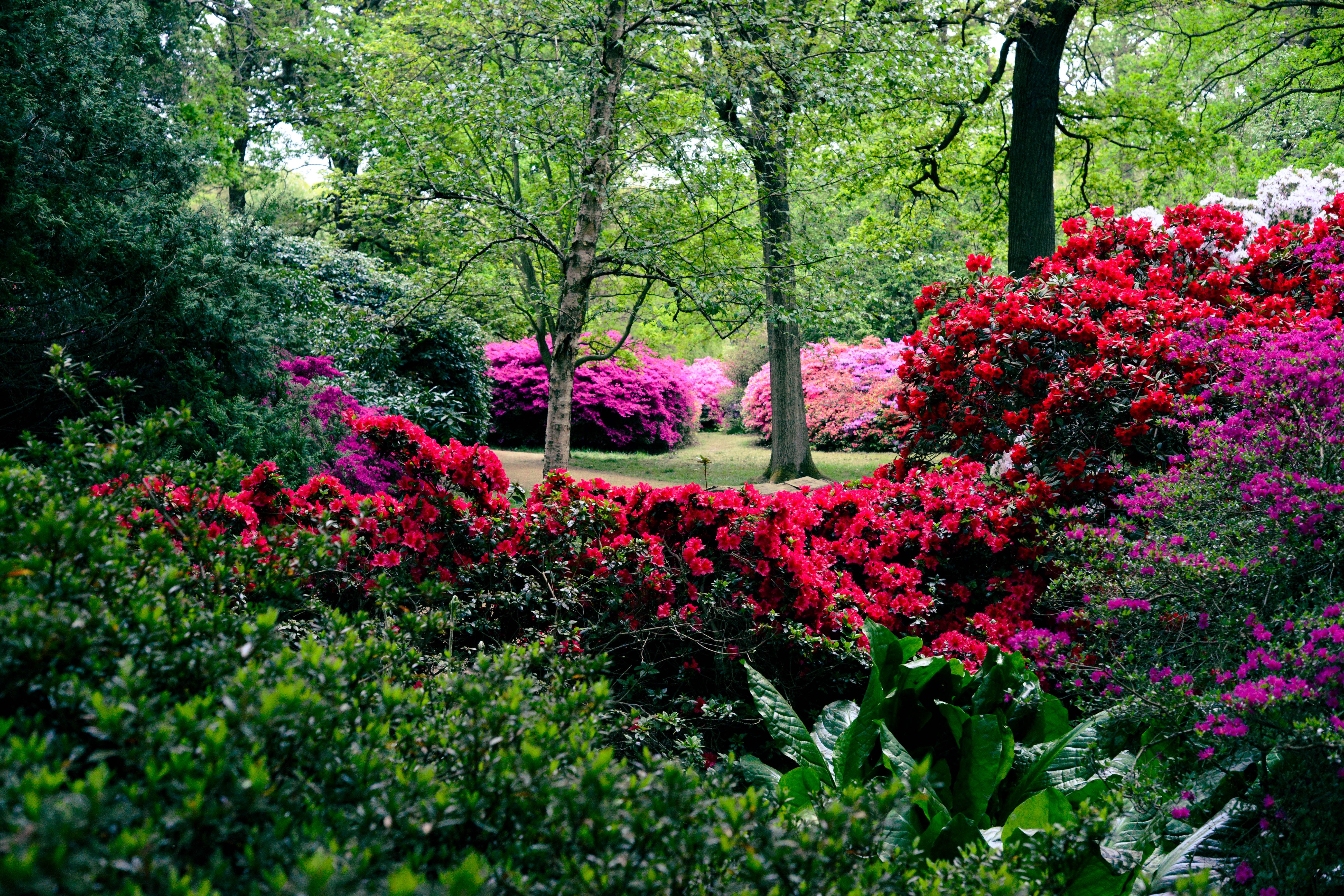
Essential Gardening Advice for Healthy Indoor and Outdoor Plants
Healthy plants resist many problems, but pests and diseases still appear. Prevention starts with good cultural practices: maintain appropriate water, light, and nutrition; avoid overcrowding, which limits airflow; and remove dead or decaying material promptly. Regular inspection is key—turn leaves over and check stems and the soil surface to catch issues early. Sticky traps can monitor flying pests like fungus gnats, while magnification helps spot tiny pests such as spider mites and mealybugs.
Integrated pest management (IPM) emphasizes nonchemical controls first. Physical removal, isolation of new plants for a quarantine period, and beneficial insects (ladybugs, predatory mites) help keep populations down. Homemade remedies—including insecticidal soap or a mild horticultural oil—can control many soft-bodied pests when applied according to product guidance and tested on a small area first. For fungal diseases, improving air circulation, avoiding overhead watering, and applying targeted fungicides only when necessary reduces spread.
Seasonal care shifts with climate and plant growth cycles. In spring, focus on cleaning up beds, refreshing mulch, and increasing water as growth resumes. Summer often requires more frequent watering and shading for sensitive plants during heat waves. Fall is ideal for hardening off seedlings, dividing perennials, and preparing containers for cooler nights. In winter, reduce watering for many houseplants and provide supplemental light for those that struggle with short days.
Soil health and mulching support resilient plants. Mulch moderates soil temperature, conserves moisture, and suppresses weeds, while adding compost feeds soil microbes and improves structure. Rotating crops in vegetable beds and avoiding planting the same families in the same spot each year reduces disease pressure. By combining vigilance, cultural care, and targeted interventions, gardeners can manage most pest and disease challenges while keeping plants vigorous.
A steady, observant approach keeps plants thriving over the long term. Start with a simple routine: check light and moisture weekly, inspect for pests every time you water, and log major actions like repotting or fertilizing so trends become clear. Build a seasonal calendar—spring repotting and planting, summer shade and hydration, fall clean-up and protection, winter light supplementation—and adapt as needed for specific species and local climate.
Sustainable practices make plant care easier and greener. Compost kitchen scraps to feed soil, capture rainwater to reduce reliance on municipal supplies, and choose native or well-adapted species that require fewer inputs. When fertilizing, follow label directions and opt for slow-release or organic options to reduce leaching. For pest control, prioritize physical and biological methods before chemical treatments, and always follow product instructions to protect beneficial insects and the broader environment.
Quick troubleshooting tips: yellowing lower leaves often indicate overwatering or low light; brown, crispy leaf edges typically signal underwatering, low humidity, or fertilizer burn; stunted growth can come from poor light, root crowding, or nutrient deficiency. When in doubt, isolate a struggling plant, adjust one factor at a time, and observe for improvement over a week or two.
Caring for plants rewards patience and observation more than perfection. Keep experimenting with placement, mixes, and seasonal adjustments, and learn from small setbacks. With attention to fundamentals—matching plants to conditions, maintaining soil health, preventing pests, and responding calmly to problems—gardens and houseplants will become healthier, more resilient parts of everyday life.

Heading 5
Add paragraph text. Click “Edit Text” to update the font, size and more.
Heading 5
Add paragraph text. Click “Edit Text” to update the font, size and more.
Heading 5
Add paragraph text. Click “Edit Text” to update the font, size and more.
bottom of page