top of page

Everyday Plant Care: Simple Habits for Healthier Plants
28 octobre 2026

Caring for plants starts with observation and a few basic principles that apply whether you grow houseplants, containers, or garden beds. Light, water, soil, and air are the core elements that determine plant health. Begin by matching plants to the conditions you can provide: some species thrive in bright, direct sun; others prefer low light or dappled shade. Understanding each plant’s natural habitat helps set realistic expectations for growth and appearance.
Water management is often the trickiest part of plant care. Overwatering and underwatering both stress plants, so learn to check the soil before adding moisture: the top inch of potting mix is dry for many houseplants, but deeper soil moisture matters for larger containers and garden beds. Use pots with drainage holes and avoid letting roots sit in stagnant water.
Healthy soil feeds plants and supports steady growth. For containers, use a well-draining potting mix suited to the plant type (cacti, orchids, and general houseplants each have different needs). Garden soil benefits from organic matter—compost or well-rotted manure—to improve structure and nutrient availability. Soil pH affects nutrient uptake, so consider testing if plants show consistent deficiency symptoms.
Airflow and humidity also matter. Many indoor plants appreciate higher humidity than typical indoor air provides; grouping plants, using pebble trays, or a small humidifier can help. Outdoors, good spacing improves airflow and reduces disease pressure.
Finally, practice regular observation. Look for changes in leaf color, drooping, or slowed growth—these are early signals that light, water, or soil conditions need adjustment. Small, consistent habits—checking soil, rotating pots for even light exposure, and noting seasonal changes—make plant care manageable and lead to more resilient plants over time.
Turning plant care fundamentals into consistent routines makes a major difference in plant health. Establish a regular schedule for the basics but keep it flexible—plants’ needs change with the seasons, weather, and their own growth cycles. For watering, create a habit of checking moisture rather than following a strict timer. In spring and summer many plants grow actively and need more water, while in fall and winter growth slows and watering can be reduced. Mulches in garden beds and a layer of pebbles on indoor pots can moderate moisture fluctuations.
Feeding plants supports vigorous growth when used appropriately. Choose a balanced fertilizer suited to the plant type, and reduce or pause feeding during dormancy. Liquid feeds offer quick results, while slow-release granules provide steady nutrients over months. Always follow label rates to avoid fertilizer burn; less frequent, correct-strength applications are safer than frequent, strong doses.
Repotting and dividing are essential maintenance tasks for container-grown plants. Repot when roots circle the pot or growth slows despite good light and watering—usually every one to three years depending on species. Use a pot one size larger and refresh the potting mix to replenish nutrients. For garden perennials, dividing crowded clumps in early spring or fall rejuvenates plants and increases long-term vigor.
Pruning helps maintain shape, remove dead material, and encourage new growth. For woody plants, prune at the proper time for the species to avoid reducing flowering. Regularly inspect for pests and diseases: early detection lets you manage problems with targeted techniques such as manual removal, improved cultural practices, or appropriate treatments.
Keep a simple care log for irregular tasks like repotting, feeding, and pest treatments. A record helps identify patterns—what worked, what didn’t—and makes seasonal planning easier. With routine attention and small adjustments, plants respond quickly to improved care.
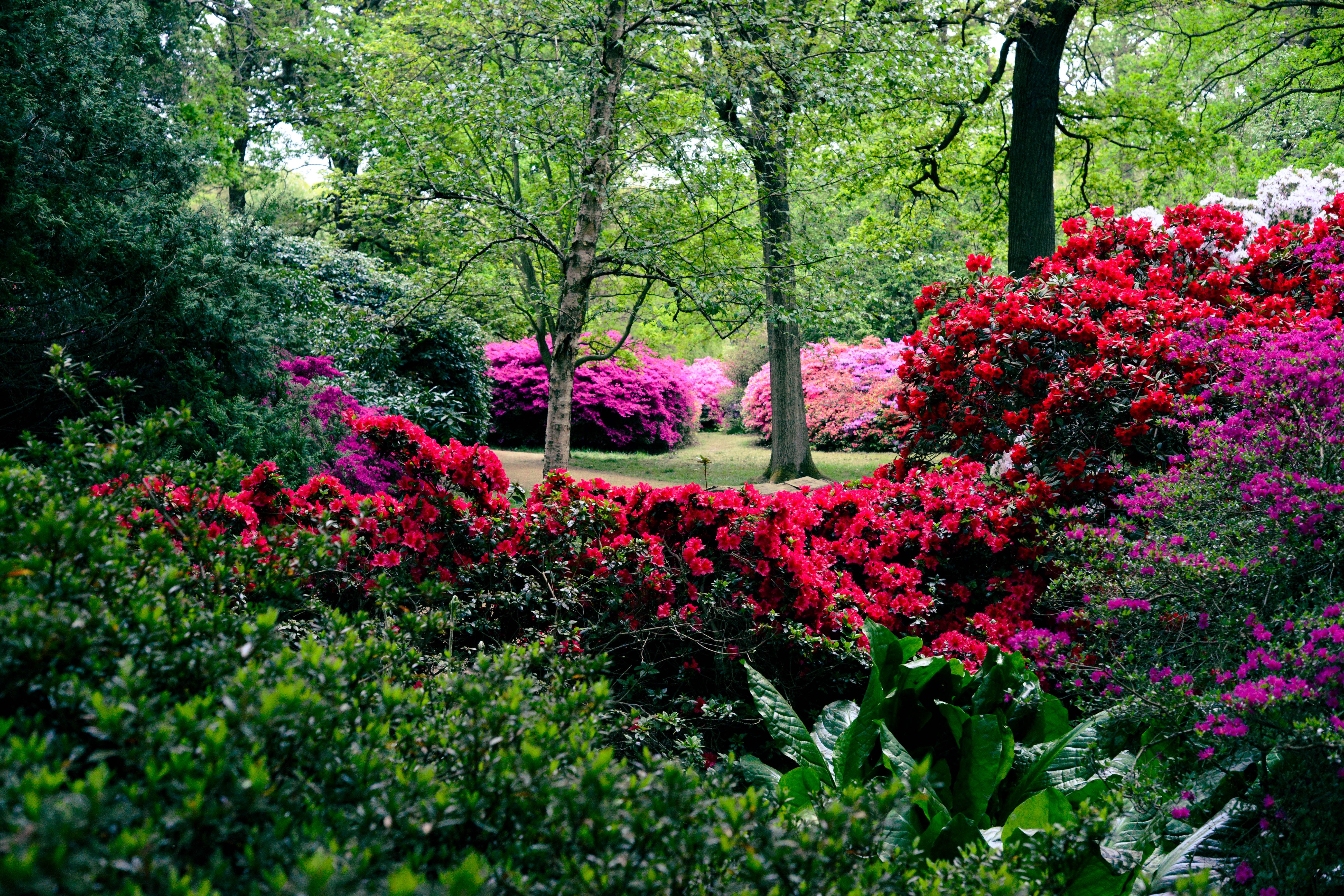
Practical Gardening Tips for Indoor and Outdoor Success
Different growing environments require tailored approaches. Indoor plants face challenges like limited light, lower humidity, and restricted root space. Position light-loving species near bright windows (avoiding harsh midday sun for sensitive leaves), while shade-tolerant plants can thrive in north-facing rooms or away from direct light. Rotate pots every few weeks to keep growth balanced and dust leaves occasionally to maximize light absorption.
Balcony and container gardening need extra attention to drainage and temperature swings. Containers dry faster than garden beds, so choose potting mixes that retain moisture while draining well. Insulate pots in very hot or cold climates or move them to sheltered spots during extreme weather. When space is limited, select compact or dwarf varieties and use vertical planters to multiply growing area.
In-ground beds allow deeper root growth and typically require less frequent watering than containers. Improve heavy clay or sandy soils with compost and organic matter to stabilize moisture and nutrient-holding capacity. For low-water landscapes, choose drought-tolerant plants and group species by water needs to simplify irrigation.
Propagation is a cost-effective way to expand your collection and replace worn-out plants. Stem cuttings, leaf cuttings, and division are the most accessible methods. Use a clean, sharp tool for cuttings, and a sterile potting medium to reduce disease risk. Label new plants and keep them in bright, indirect light while roots form.
A few dependable tools make plant care easier: a watering can with a narrow spout for indoor plants, a moisture meter if you’re unsure about soil moisture, sharp pruning shears, and a hand trowel for container work. Clean tools between uses to prevent spreading pests and disease. Thoughtful adaptation to each environment—indoors, containers, or garden beds—lets plants thrive with the resources you can provide.
Troubleshooting keeps small problems from becoming catastrophic. Yellowing leaves can indicate overwatering, nutrient deficiency, or natural leaf age; check soil moisture and recent feeding before changing conditions. Pale new growth often signals nitrogen or iron deficiency, while brown edges may mean inconsistent watering or low humidity. Wilting can result from both drought and root rot—inspect roots for firm, healthy tissue versus soft, discolored roots that indicate overwatering damage.
Pests and diseases are common but manageable with the right approach. Look for sticky residue, tiny specks, webbing, or holes as early signs of insects. Manual removal with water or a soft cloth can control low-level infestations. For more persistent pests, use targeted biological or reduced-toxicity controls, and prioritize cultural adjustments: better airflow, cleaner foliage, and removing affected material reduce recurrence. Fungal problems often arise from prolonged leaf wetness or poor air circulation; improving spacing, watering at the base, and removing diseased leaves helps limit spread.
Diagnosing issues is largely about process: isolate the plant if you suspect contagious pests or disease, compare symptoms to recent care changes (light, water, fertilizer), and consider environmental factors like drafts or heat sources. When taking corrective action, change one variable at a time so you can identify what resolves the problem. Patience is vital—plants usually respond to improved conditions over weeks rather than days.
In short, consistent observation, responsive adjustments, and appropriate tools form the backbone of successful plant care. By learning each plant’s preferences and treating issues methodically, you can prevent many problems and enjoy resilient, attractive plants across indoor spaces and outdoor gardens. Concluding, steady routines, tailored environments, and informed troubleshooting will keep plants healthy and rewarding to grow.

Heading 5
Add paragraph text. Click “Edit Text” to update the font, size and more.
Heading 5
Add paragraph text. Click “Edit Text” to update the font, size and more.
Heading 5
Add paragraph text. Click “Edit Text” to update the font, size and more.
bottom of page