top of page

Everyday Plant Care: Simple Habits for Thriving Plants
31 octobre 2026

Healthy plants begin with observation and sensible choices. Whether you maintain a windowsill collection, a balcony garden, or a backyard border, matching plant needs to the conditions you can provide is the single best habit for long-term success. Start by assessing light: note which areas receive direct sun, bright indirect light, or deep shade throughout the day. Many common houseplants tolerate bright indirect light, while fruiting vegetables and succulents usually need several hours of direct sun. Pots and garden beds in shaded corners will favor foliage plants that tolerate lower light.
Next, consider scale and placement. Compact varieties and shallow-rooted plants are ideal for small containers and hanging baskets; larger, deeper-rooted species belong in wide pots or ground beds where roots can expand. For busy schedules, choose low-maintenance species and group plants with similar water and light requirements to simplify care. Pay attention to temperature and drafts: some tropical plants are sensitive to cold air from vents or open doors, while others are resilient across a broader temperature range.
Learn to read basic plant signals. Drooping leaves can indicate both under- and over-watering, so check soil moisture before adjusting your routine. Pale or yellowing leaves may signal nutrient needs, poor light, or watering issues. Small, compact leaf growth often means insufficient light, while leggy stems point to a plant reaching for more brightness. Making small, measured adjustments — slightly more light, a different potting mix, or a modest change in watering frequency — is usually more effective than drastic interventions. By observing conditions and responding with appropriate changes, you’ll build a reliable care routine that keeps plants resilient and attractive.
Soil and water form the foundation of plant health; understanding both will prevent many common problems. Soil is not just dirt: it’s a living environment that supplies nutrients, retains moisture, and allows air to reach roots. For potted plants, use a high-quality potting mix designed for containers rather than garden soil, which can compact and suffocate roots. Potting mixes vary by plant type—cacti and succulents benefit from a fast-draining blend with added grit or sand, while tropical houseplants thrive in mixes that retain modest moisture and include organic matter.
Drainage is critical. Ensure pots have drainage holes and use a saucer or tray to catch excess water without letting the pot sit in a puddle. If drainage is limited, add coarse material to the bottom or select pots with raised ridges to improve flow. In garden beds, improve heavy clay soils by incorporating organic matter such as compost or well-rotted leaf mold to increase porosity and nutrient content.
Watering well means matching frequency and volume to plant needs and conditions. Water deeply and thoroughly so that moisture reaches the entire root zone, then allow the surface to dry to the level appropriate for the species before watering again. Over-watering is a common issue; signs include yellowing leaves, soft stems, or a sour smell from the soil. Under-watering causes wilting and dry, brittle foliage. Use a finger test or a moisture meter to check soil several inches down. Mulching outdoor beds helps conserve moisture, suppress weeds, and moderate soil temperature. For container plants, consider top-dressing with a fresh layer of compost each season to replenish nutrients and improve structure.
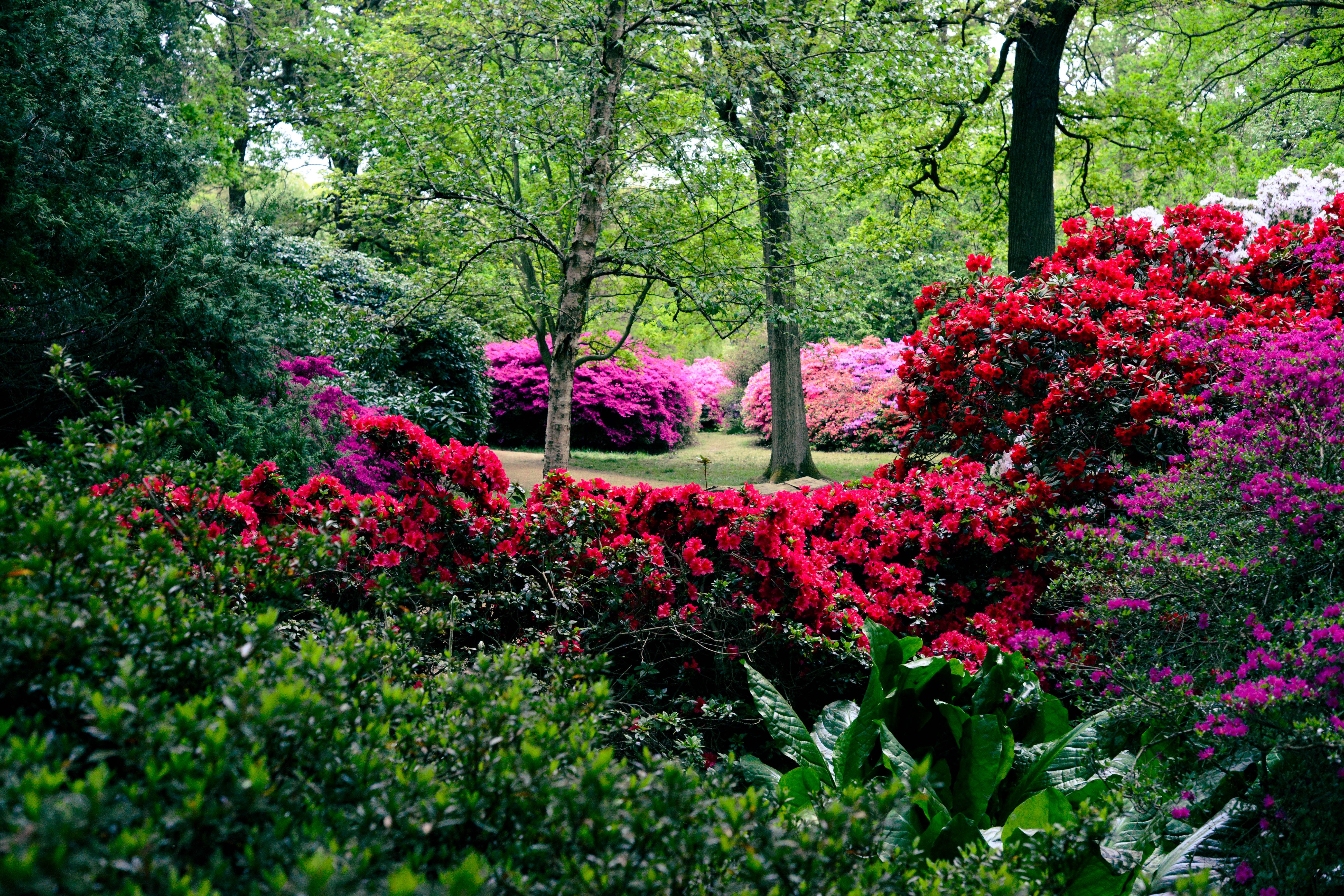
From Soil to Sunlight: Practical Gardening Tips for Every Space
Routine maintenance and vigilance help keep plants vigorous and prevent problems from escalating. Inspect plants regularly for physical damage, discoloration, and pests. Early detection of issues such as scale, aphids, or fungal spots makes control simpler and less disruptive. For pest management, start with mechanical and cultural methods: prune away heavily infested foliage, wash leaves with a gentle spray of water, and isolate new or affected plants to reduce spread. When intervention is necessary, choose targeted, low-toxicity options and follow product instructions carefully to avoid stressing beneficial insects or the plants themselves.
Practical pruning maintains shape, encourages branching, and removes dead or diseased material. Make clean cuts with sharp tools and avoid removing more than a third of healthy growth at once. For flowering plants, deadheading spent blooms often encourages more blooms; for many houseplants, trimming leggy stems promotes fuller growth. Repotting is another key maintenance task—move plants into a slightly larger pot when roots begin to circle the container or push through drainage holes. Refresh the potting mix and trim any excessively long roots during repotting.
Seasonal adjustments matter. Many plants slow growth during cooler months and require less water and fertilizer; conversely, spring and summer are active growth periods when feeding and more frequent watering may be appropriate. For indoor plants, monitor humidity levels: some tropical species benefit from higher humidity, which can be achieved with pebble trays, grouping plants, or using a humidifier. By staying observant and applying consistent, moderate maintenance practices, plants will resist pests and adapt more readily to changes in their environment.
Propagation and thoughtful design expand your gardening potential while reducing waste. Common propagation methods include stem cuttings, leaf cuttings, division, and seed sowing. Many houseplants and perennials root readily from semi-ripe cuttings placed in a moist, well-draining medium; bulbs and clumping plants can often be divided at the start of the growth season. Keep records of the methods and timings that work best for your specific varieties to build a reliable propagation routine.
Sustainable practices improve plant health and reduce resource use. Capture kitchen scraps and yard trimmings to produce compost, which enriches soil and reduces the need for synthetic fertilizers. Use rain barrels or collect water to reduce potable water usage for outdoor beds. Encourage beneficial insects by planting a diversity of flowering species and avoiding broad-spectrum pesticides that harm pollinators and predators like ladybugs and lacewings. For water-limited sites, consider drought-tolerant species, deep, infrequent watering, and mulching to conserve moisture.
Containers and small-space gardens benefit from vertical solutions and layered planting—combine trailing plants with upright foliage to maximize light capture and airflow. Rotate pots seasonally to give plants the best exposure and prevent soil depletion. Above all, the best practice is steady observation: respond to changes gradually, keep records of what you tried and the outcome, and be patient as plants adjust. With consistent care, attention to soil and water, and a few sustainable habits, plants will reward you with healthier growth and greater resilience. Try one new technique at a time, note the results, and build a garden routine that fits your space and schedule.

Heading 5
Add paragraph text. Click “Edit Text” to update the font, size and more.
Heading 5
Add paragraph text. Click “Edit Text” to update the font, size and more.
Heading 5
Add paragraph text. Click “Edit Text” to update the font, size and more.
bottom of page