top of page

Everyday Plant Care: Simple Steps for Healthier Homes and Gardens
8 octobre 2026

Caring for plants starts with observation and realistic expectations. Whether you keep a few pots on a windowsill or steward a backyard bed, the most reliable path to success is learning how your particular environment affects plant needs. Begin by assessing light levels, typical temperatures, humidity, and how much time you can commit. These factors determine which species will thrive and how you structure routine maintenance. Choosing plants adapted to your conditions reduces stress and routine corrections. For instance, some species tolerate lower light and drier air, while others demand bright, humid locations. Consider microclimates around your home—south-facing windows, shaded porches, warm kitchen corners—and match plants to those spots. Container gardening gives flexibility: you can move pots to chase seasonal light or shelter tender specimens from extremes, but it also means paying closer attention to soil quality and watering because containers dry faster than in-ground beds.
Next, establish a simple monitoring habit. A quick daily look lets you spot yellowing leaves, droop, new pests, or irregular growth before problems escalate. Keep a small notepad or a digital checklist to track watering intervals, repotting dates, and fertilizer applications. Recording conditions after a change—moving a plant, switching potting mix, or altering light—helps you learn cause-and-effect more quickly. For newly acquired plants, quarantine them for a short period to reduce the chance of introducing pests or diseases to established collections. Finally, avoid one-size-fits-all advice: the same species can behave differently in two homes. Observing and adapting is the gardener’s most powerful tool for keeping plants healthy over the long term.
Light and water are the two elements most photographers and plant enthusiasts mention first, and for good reason: they directly drive photosynthesis and hydration. Light quality and duration dictate growth patterns—insufficient light typically causes stretching, pale leaves, and slow growth, while intense, direct sun can scorch delicate foliage. To assess light, watch your chosen spot through a day to see when and how long it receives sun. For indoor setups, consider using sheer curtains to diffuse harsh rays or relocating plants to brighter corners during winter. If natural light is limited, affordable full-spectrum grow lights can provide the spectrum plants need without complicated setups.
Watering is equally situational. Rather than adhering to a calendar alone, check soil moisture with a finger, wooden skewer, or a moisture meter: the top inch or two will often dry first in pots, while deeper layers in the ground retain moisture longer. Aim for even wetting that allows roots to access water but avoids prolonged soggy conditions. For potted plants, ensure good drainage—pots with drainage holes and a free-draining mix prevent root rot. When you water, water deeply until excess flows from drainage holes, then allow partial drying appropriate to the plant type; many succulents prefer longer dry spells between thorough waterings, whereas many tropicals like consistently moist but not waterlogged soil. During hotter months or under artificial heat, plants may need more frequent attention. Humidity-sensitive plants benefit from grouping, pebble trays, or occasional misting, but avoid constant leaf wetness that can encourage fungal issues. Rotating plants periodically helps even light exposure and encourages balanced growth.
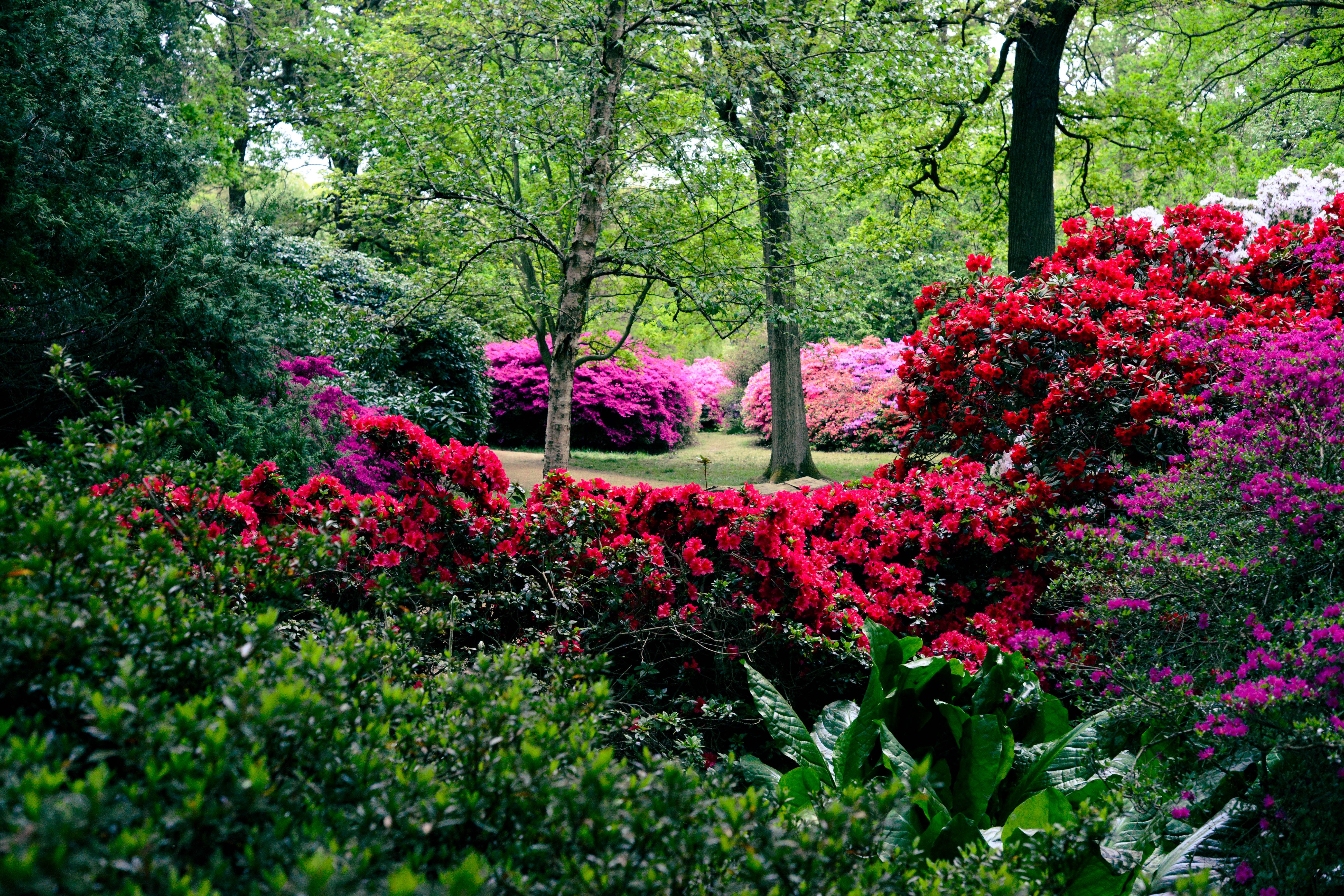
Practical Gardening Tips to Keep Your Plants Thriving Year-Round
Healthy plants depend on healthy growing medium and routine maintenance that prevents small issues from becoming big ones. Soil composition matters: good mixes balance drainage, aeration, and nutrient retention. For containers, a mix that includes components such as compost, coarse sand or perlite, and quality potting compost will support robust root systems. In garden beds, building organic matter through compost or well-rotted amendments improves soil structure over time, promoting beneficial microbial activity and steady nutrient availability. Mulch around outdoor plants helps regulate soil temperature and conserve moisture, while also suppressing weeds. When repotting, choose the next pot size thoughtfully—too large a container can leave excess damp soil, while too small a pot constrains roots.
Nutrients are another part of the picture. Regular, light feeding during the active growing season supports new growth; choose balanced fertilizers or organic alternatives like compost teas and well-aged compost depending on your preferences. Follow label directions and never overdo it—fertilizer burn is a common, avoidable problem. Pruning is a maintenance tool that shapes plants, removes dead or diseased material, and can improve airflow through the canopy, lowering disease risk. Use clean, sharp tools and remove only what you need to maintain the plant’s natural form.
Pest and disease management favors prevention and targeted responses. Inspect new plants before introducing them to a collection and maintain cleanliness—remove fallen leaves and spent blooms. For many pests, physical removal, soap-and-water sprays, or horticultural oils provide effective control without harsh chemicals. Encouraging beneficial insects, such as predatory beetles and parasitic wasps, in outdoor beds helps keep pest populations balanced. When a disease appears—yellowing localized to a leaf, spots, or powdery growth—identify whether it’s cultural (water, light, or nutrient-related) or biological (fungal, bacterial, insect). Correct cultural issues first, and isolate affected plants to reduce spread while treating the cause.
Seasonal rhythms shape many plant-care tasks and can simplify a year of maintenance into predictable steps. In spring, prioritize assessing winter damage, freshening potting mixes for plants that need it, and beginning a light feeding schedule as growth resumes. Summer often requires more attentive watering, pest vigilance, and light management for tender specimens. In autumn, reduce fertilization for plants that will enter dormancy, and gradually adjust watering as growth slows. Winter care centers on light maximization, avoiding overwatering, and sheltering sensitive species from temperature swings.
To turn guidance into action, create a concise, repeatable checklist: weekly visual inspection, moisture check and watering as needed, monthly rotation or light adjustment for indoor plants, and quarterly soil or potting mix assessment. Note seasonal tasks such as repotting in spring or protective mulching in fall. Keep a small toolkit with pruning shears, a moisture probe or meter, gloves, and a soft brush or cloth for dusting leaves; clean tools between plants to minimize disease transfer. For propagation, try simple methods like stem cuttings or division during active growth to expand collections sustainably and replace old specimens. When troubleshooting, change only one variable at a time—light, water, or soil—so you can identify what helped or harmed.
Plants reward consistent, attentive care more than perfect technique. With observation, a few basic tools, and a seasonal rhythm, you can reduce surprises and enjoy steady improvement in plant health. Start small, build habits around weekly checks, and adapt as you learn how your unique space influences each plant’s needs.

Heading 5
Add paragraph text. Click “Edit Text” to update the font, size and more.
Heading 5
Add paragraph text. Click “Edit Text” to update the font, size and more.
Heading 5
Add paragraph text. Click “Edit Text” to update the font, size and more.
bottom of page