top of page

Everyday Plant Care: Simple Steps for Thriving Greenery
15 novembre 2026

Plants add life, improve air quality, and transform spaces, but they thrive only when basic needs are met. Understanding the core requirements—light, water, soil, and proper containers—creates a strong foundation for any gardener, whether tending a windowsill or a backyard bed. Start by matching plant choices to the conditions available. Some plants demand bright, direct sunlight for several hours; others prefer bright, indirect light or shade. Observing a plant’s foliage and growth habit helps indicate whether its light needs are being met: elongated stems and sparse leaves often signal insufficient light, while scorched or brown leaf edges can indicate too much direct sun.
Water is the next fundamental factor. Rather than a fixed schedule, water according to the plant’s requirements, the potting mix, and local climate. Well-draining soil and pots with drainage holes prevent waterlogging, which can lead to root rot. For houseplants, test moisture by feeling the soil an inch or two below the surface; for outdoor beds, consider soil texture and weather patterns. Soil quality is critical, too. A balanced potting mix for containers and amended garden soil for beds ensure roots receive oxygen and nutrients. Organic matter, such as compost, improves structure and water retention while supplying slow-release nutrients.
Containers introduce different needs than in-ground planting. Choose an appropriately sized pot: too small constrains root growth and dries out quickly; too large can retain excess moisture. Consider materials—ceramic and terracotta breathe but can dry faster, while plastic retains moisture longer. Finally, learn basic seasonal adjustments: many plants grow actively in warmer months and require less frequent watering and feeding during dormancy. Observant, modest changes to light, water, and soil practices typically yield healthier, more resilient plants.
Watering and feeding are the two maintenance tasks that most directly affect plant health. The right approach varies by species, container type, and environment, but several universal practices help avoid common problems. First, focus on consistent, deep watering rather than frequent shallow drinks. Deep watering encourages roots to grow downward, producing a sturdier plant. For potted plants, water until it runs from the drainage hole; for garden beds, water slowly to saturate the root zone without creating surface runoff.
Recognizing signs of overwatering and underwatering helps adjust routines. Wilting, yellowing leaves, soft stems, and a musty scent often point to overwatering, while crispy brown edges, dry, compacted soil, and slow growth usually indicate underwatering. Using a moisture meter or the finger test reduces guesswork and helps tailor frequency to the plant’s needs. Mulches around outdoor plants conserve moisture and moderate soil temperature, but for containers choose a lighter top layer to avoid trapping too much moisture next to stems.
Feeding supports growth when soil nutrients run low. Organic options—compost, worm castings, and balanced organic fertilizers—release nutrients more slowly and improve soil structure. Synthetic or water-soluble fertilizers provide quick boosts and are useful during active growth phases or to correct deficiencies. Match fertilizer formulation to plant type: higher nitrogen for leafy growth, higher phosphorus for flowering and root development, and balanced NPK for general maintenance. Apply fertilizers at recommended rates and avoid over-fertilizing, which can burn roots and inhibit growth. For most houseplants, a dilute feed every four to six weeks during the growing season is sufficient; outdoor annuals and vegetables may need more frequent feeding based on soil tests and productivity. Regular observation and modest adjustments of water and feed routines will keep plants actively growing without unnecessary stress.
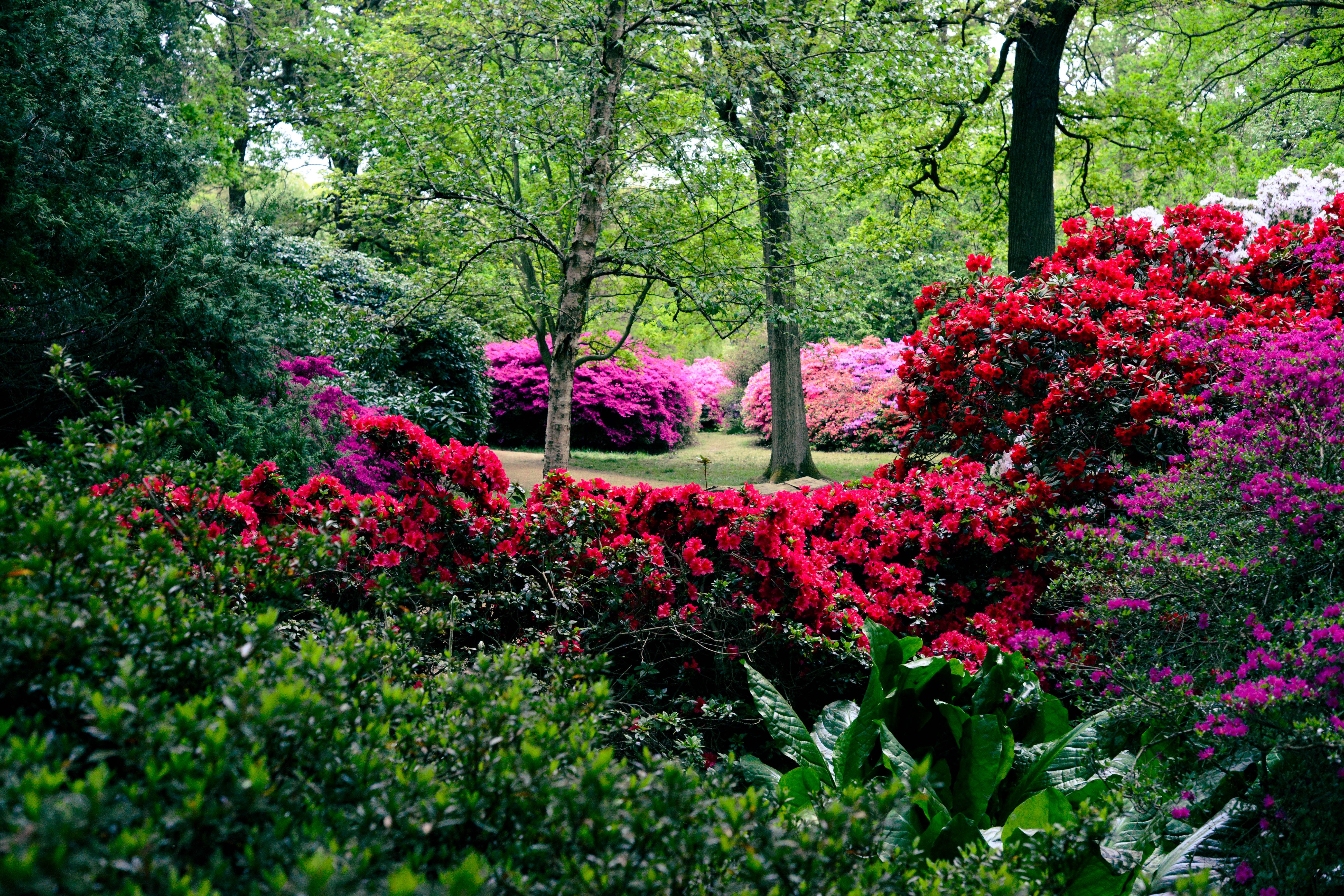
Practical Gardening Tips to Keep Plants Healthy Year-Round
Protecting plants from pests and disease and knowing basic grooming and propagation techniques extend both the life and beauty of a garden. Prevention relies on good sanitation and cultural practices: remove dead leaves and damaged growth, avoid overcrowding, and rotate crops in vegetable plots to reduce pest and disease buildup. Inspect new plants before introducing them to the collection to avoid bringing in insects or fungal spores. Physical controls such as hand-picking larger pests, using sticky traps for flying insects, and applying barriers like row covers can be effective without chemicals.
When intervention is needed, choose the least disruptive option first. Horticultural soaps, neem oil, and insecticidal oils are effective against many soft-bodied pests and generally have lower non-target impacts than broad-spectrum insecticides. For fungal issues, improving air circulation, reducing overhead watering, and removing infected parts are essential; fungicidal products may be used selectively when cultural measures are insufficient. Integrated pest management (IPM) principles—monitoring, identifying, and using a mix of prevention and control tactics—help keep pest pressure manageable.
Pruning supports plant health by removing dead or diseased tissue, shaping growth, and encouraging new shoots. Use clean, sharp tools and prune at appropriate times for each species—many ornamentals respond best to pruning in late winter or early spring, while some flowering shrubs require post-bloom trimming. Propagation offers a way to expand a collection without purchasing new plants; common methods include seed sowing, stem cuttings, division, and layering. Propagation success increases with clean tools, healthy parent material, and suitable rooting media. For container gardening, periodically refresh potting mix and check root-bound plants to decide when to repot. Together, these practices reduce pest and disease risks and keep plants vigorous.
Consistent, simple routines make plant care manageable and rewarding. Start each growing season with a quick check: assess light conditions, clean up debris, test or amend soil, and adjust containers as needed. A short weekly walk-through to look for pests, moisture issues, and signs of nutrient deficiency prevents small problems from becoming larger ones. Create a basic maintenance checklist: 1) Observe plants and note irregularities; 2) Water based on soil moisture rather than fixed schedules; 3) Feed according to plant type and growth stage; 4) Prune dead or crowded growth and clean tools between cuts; 5) Monitor for pests and use cultural or targeted controls first; 6) Refresh potting mix and repot when roots become crowded.
Keep simple supplies on hand: a moisture meter or finger test habit, a potting mix with good drainage, a pair of sharp snips, and basic organic fertilizer or compost. Seasonal adjustments—reducing watering in dormancy, protecting from extreme temperatures, and timing pruning—will vary by climate and plant species but follow the same observation-based mindset. Building plant care into a routine reduces stress and improves outcomes: even small, regular actions compound into healthier plants over time.
Plants respond to attention, but they also tolerate occasional missteps. Learning through observation, trying one change at a time, and keeping records of what works best for specific plants in a given environment will refine care practices. With these practical tips and a steady rhythm of observation and simple maintenance, gardens and indoor collections can stay vibrant and resilient throughout the year.

Heading 5
Add paragraph text. Click “Edit Text” to update the font, size and more.
Heading 5
Add paragraph text. Click “Edit Text” to update the font, size and more.
Heading 5
Add paragraph text. Click “Edit Text” to update the font, size and more.
bottom of page