top of page

Everyday Plant Care: Simple Steps to Healthier Plants
5 novembre 2026

Plants reward consistent, thoughtful care more than complicated routines. Whether you’re starting with a single houseplant or tending a backyard bed, focusing on fundamentals will prevent many common problems. Begin by matching plant types to their conditions: assess how much light a spot receives, whether temperatures fluctuate, and how much airflow there is. Low-light tolerant species will struggle in bright south-facing windows, just as sun-loving succulents will scorch in dim corners. Grouping plants with similar light and moisture requirements simplifies watering and reduces stress.
Watering is often the most misunderstood aspect of plant care. Rather than a fixed schedule, water based on the needs of the plant and the moisture level of the soil. For most houseplants, allow the top inch or two of soil to dry before watering; for succulents and cacti, wait until the soil is mostly dry. Containers with drainage holes help prevent root rot; if water pools in the saucer, empty it after a few minutes. For outdoor plants, observe rainfall and soil moisture; newly planted specimens usually need more frequent watering until roots establish.
Light and temperature influence growth, flowering, and pest vulnerability. Most tropical houseplants prefer bright, indirect light and steady temperatures between 65–75°F (18–24°C), while many vegetables and perennials need several hours of direct sun. Keep plants away from cold drafts and hot radiators, as abrupt temperature changes can stress them. Finally, observe your plants regularly. Early detection of yellowing leaves, drooping, or slowed growth allows for quick adjustments to light, water, or placement before issues escalate.
Soil and container choices are foundational to healthy plants. Soil provides nutrients, anchors roots, and regulates moisture and air. For container gardening, choose a potting mix formulated for the plant type—general-purpose mixes work for many houseplants, while mixes with coarse grit or sand benefit succulents and cacti. Outdoor beds benefit from amended soil that improves structure and fertility; incorporating organic matter such as compost increases water retention and drainage while supporting beneficial soil organisms.
Drainage matters more than the size of the container. Always use pots with drainage holes or create a well-draining layer; poor drainage leads to waterlogged roots and root rot. When repotting, select a container only one size larger than the current root ball to prevent excess moisture retention. Gently loosen compacted roots and remove any that appear brown and mushy.
Fertilizing replenishes nutrients that plants use during growth. Choose a balanced, appropriately concentrated fertilizer and follow label directions—overfeeding causes salt buildup and can burn roots. For many houseplants, a diluted liquid fertilizer applied every 4–6 weeks during the growing season is sufficient. Outdoor beds benefit from slow-release or organic fertilizers applied according to crop needs. When in doubt, a soil test can reveal nutrient deficiencies or pH imbalances so amendments can be targeted rather than guessed.
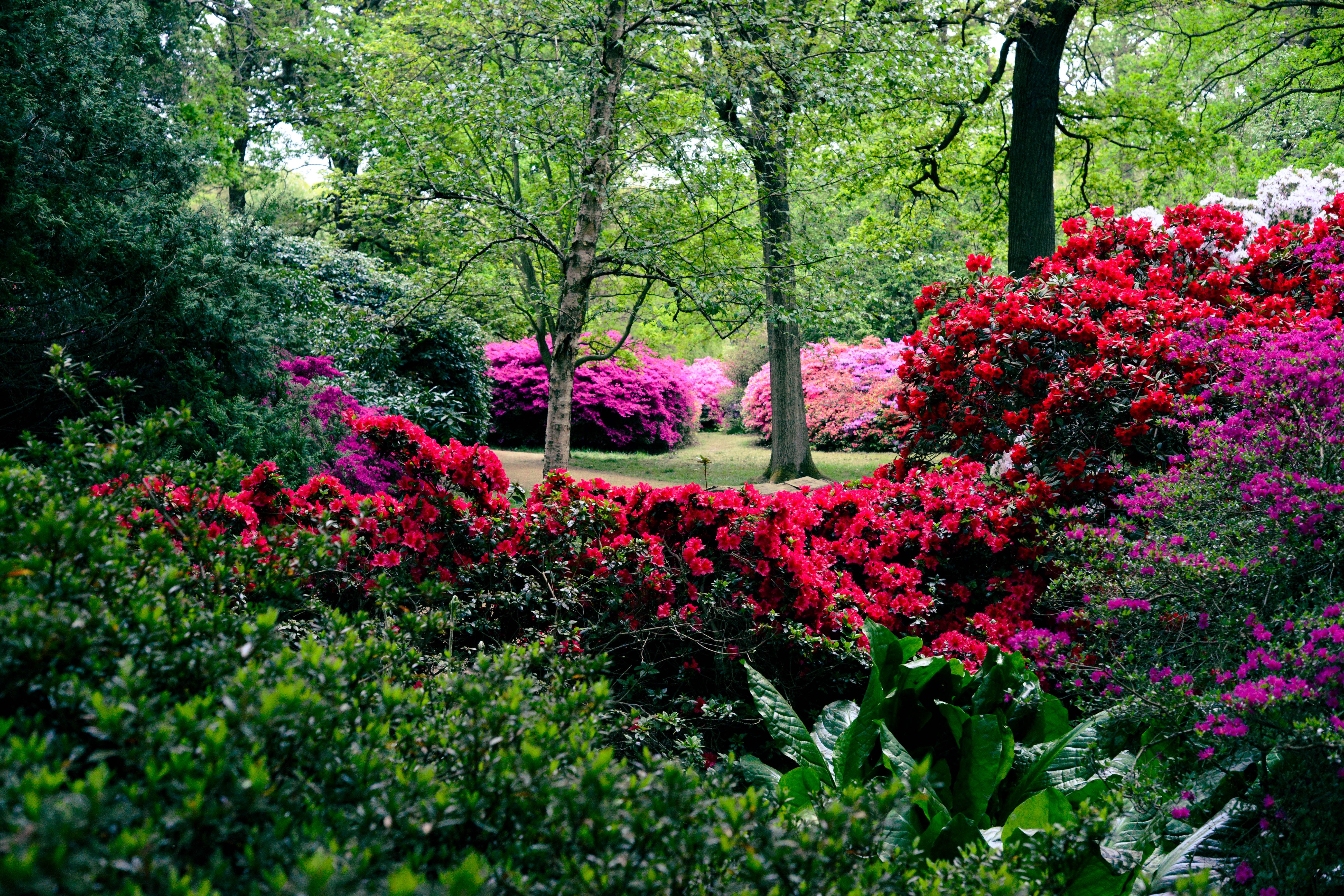
Practical Gardening Tips for Thriving Indoor and Outdoor Plants
Pests and diseases are part of gardening, but they rarely need drastic measures if caught early. Regular inspection—flipping a leaf to check undersides, examining stems and soil—lets you spot aphids, spider mites, scale, and fungal issues before they spread. Many infestations can be managed with nonchemical approaches: isolate affected plants, prune out heavily infested areas, rinse foliage with a steady stream of water, and use soapy water sprays for soft-bodied insects. Beneficial insects like ladybugs and predatory mites also help control pest populations in outdoor beds and greenhouse settings.
Good cultural practices reduce disease risk. Avoid wetting foliage when watering, provide adequate spacing for airflow, and remove dead or diseased material promptly. For fungal problems, improve drainage and reduce humidity spikes; fungicidal treatments can be used as a last resort and should be chosen with attention to the plant species and safety for pollinators.
Propagation extends your collection and replaces aging plants affordably. Common methods include stem cuttings, division, and seed propagation. Many houseplants root easily from cuttings placed in water or a sterile potting mix; keep cuttings warm and out of direct sun until roots form. Perennials divided in spring or fall establish quickly when each division has healthy roots. Document the method and conditions used for each species so successful techniques can be repeated.
Seasonal adjustments keep plants resilient year-round. In spring and summer, increase watering and light exposure as growth ramps up, and consider repotting or adding fertilizer. During fall and winter, many plants enter a slower growth phase—reduce watering, hold off on heavy fertilization, and move sensitive plants away from cold windows. Outdoor gardeners should mulch around perennials to moderate soil temperatures and conserve moisture; however, avoid burying crowns or stems to prevent rot.
Troubleshooting common issues starts with observation. Yellowing lower leaves often indicate natural leaf turnover or overwatering, while brown crispy edges can signal underwatering, low humidity, or salt buildup. Stunted growth may result from inadequate light or nutrient deficiency. When a problem persists after adjusting basic care, review recent changes—moved plant location, new potting mix, or a change in water source—as these can trigger stress responses. Keep a simple journal noting watering frequency, fertilization, light changes, and any pest treatments to identify patterns.
Healthy plants thrive with consistent attention to light, water, soil, and cleanliness. Small, regular steps—checking soil moisture before watering, providing proper drainage, and inspecting foliage—prevent most problems and make gardening more rewarding. Use the basics outlined here as a checklist: match plants to conditions, prioritize well-draining soil, maintain appropriate watering habits, manage pests early with gentle methods, and adapt care seasonally. With patience and observation, plants will repay the effort with robust growth and lasting presence in home and garden spaces.

Heading 5
Add paragraph text. Click “Edit Text” to update the font, size and more.
Heading 5
Add paragraph text. Click “Edit Text” to update the font, size and more.
Heading 5
Add paragraph text. Click “Edit Text” to update the font, size and more.
bottom of page