top of page

Everyday Plant Care: Simple Strategies for Thriving Greenery
20 octobre 2026

Healthy plants start with observation and matching species to their environment. Before selecting plants, take a quick inventory of the conditions where you’ll keep them: light levels throughout the day, typical temperature range, humidity, and how much time you can commit to maintenance. Plants adapted to bright, direct light will struggle in dim corners, while shade-tolerant varieties can tolerate lower light but may grow more slowly. Consider microclimates too — a balcony that heats up in the afternoon differs from a north-facing windowsill.
Observe your plants regularly. Leaves and stems communicate needs: limp or yellowing leaves can signal watering issues or nutrient deficiency, while pale new growth often suggests insufficient light. Small changes in leaf color, spotting, or slowed growth are early clues that allow you to adjust care before problems escalate. Keep a simple notebook or a photos series to track changes across weeks; this makes it easier to spot trends.
Soil and container selection are foundational. For potted plants, choose a pot with drainage holes and a potting mix suited to the plant type — mixes with more organic matter for foliage plants, gritty mixes for succulents. Outdoor beds benefit from regular additions of organic matter to improve structure and water-holding capacity. Finally, plan plants around your lifestyle: low-maintenance species and drought-tolerant varieties are better matches for busy schedules, while more demanding specimens pay off if you enjoy frequent attention and experimentation.
This initial assessment sets the stage for specific care steps. With the right match between plant and place, the basic routines of watering, feeding, and light management become far more effective and less stressful. In the next section, we’ll focus on practical watering, soil, and feeding techniques that support steady growth.
Watering is one of the most common sources of stress for plants, but understanding a few core principles makes it manageable. Rather than following a strict schedule, water according to need: check soil moisture by inserting your finger an inch or two into the mix for pots or using a moisture meter. Most houseplants prefer to dry slightly between thorough waterings, while many vegetables and shallow-rooted plants do better with consistent moisture. When you water, aim for deep, even saturation so roots are encouraged to grow down rather than staying near the surface.
Good drainage is essential. For containers, ensure pots have drainage holes and use a potting mix designed to balance moisture retention and aeration. If repotting, gently tease roots to encourage outward growth and select a pot only slightly larger than the root ball to avoid waterlogged soil. For garden beds, incorporate compost and coarse materials where necessary to prevent compaction and improve drainage.
Feeding plants depends on growth stage and plant type. A balanced, slow-release granular fertilizer can be a low-effort option for long-term feeding, while liquid feeds allow quicker correction of deficiencies during active growth. Organic choices such as compost, worm castings, and compost teas supply nutrients while improving soil biology. Pay attention to signs of nutrient imbalance: stunted growth, yellowing between veins, or poor flowering may indicate specific needs.
Mulch outdoor beds to retain moisture and suppress weeds; keep mulch a few inches away from stems to avoid rot. For container plants, a thin top-dressing of compost or a light layer of mulch material can help, but be cautious of over-application, which can harbor pests or suffocate roots. Proper watering combined with appropriate soil and feeding creates a foundation for resilient plants that require fewer corrections over time.
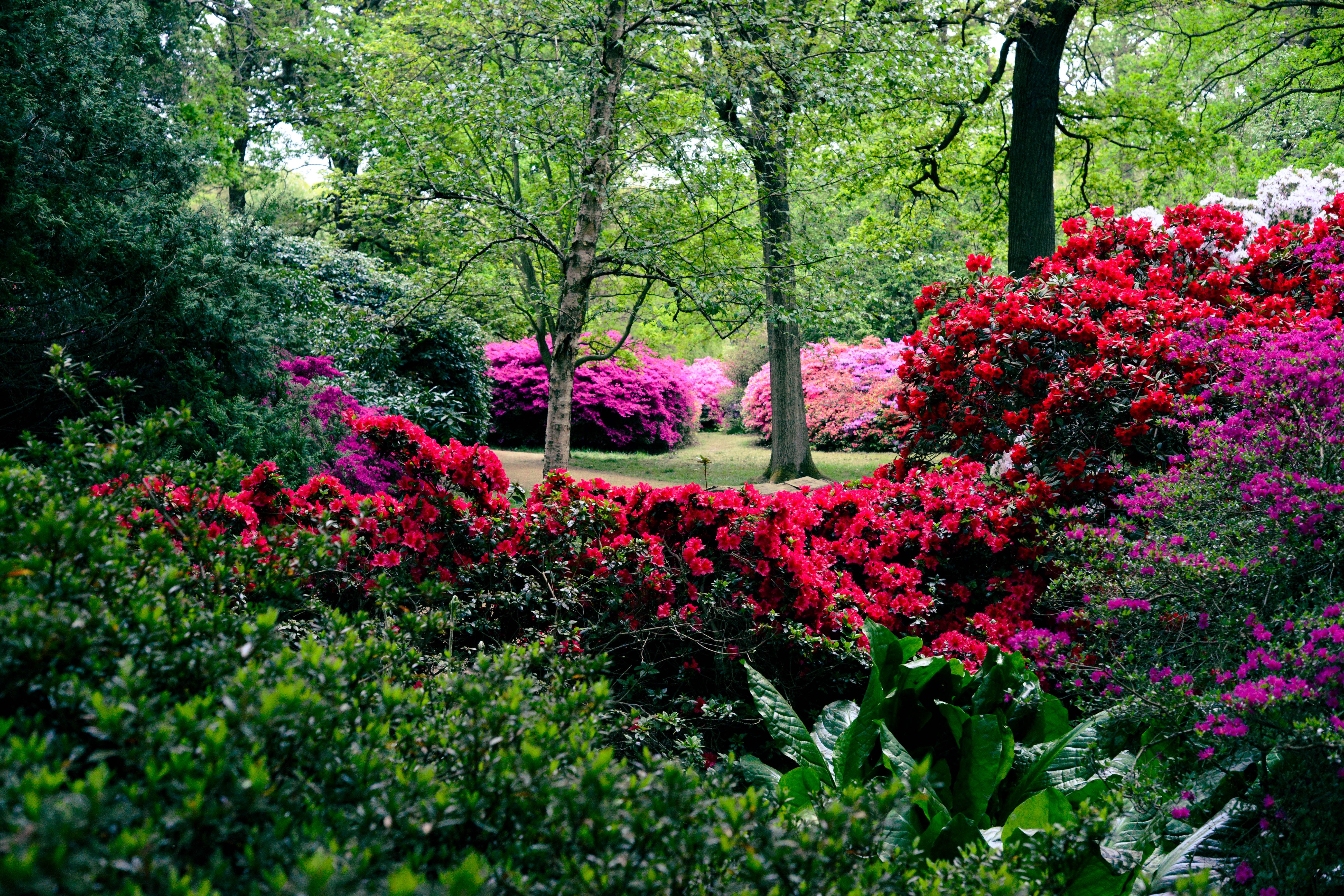
Practical Gardening Tips to Keep Indoor and Outdoor Plants Healthy
Pest and disease pressure is an ongoing part of gardening, but many problems are preventable with good cultural practices. Cleanliness and monitoring go a long way: remove dead leaves and debris that can harbor pathogens, and inspect new plants before introducing them to your collection. Encourage beneficial insects like predatory beetles and parasitic wasps by providing diverse plantings and avoiding broad-spectrum insecticides when possible.
Integrated Pest Management (IPM) relies on a mix of prevention, monitoring, and targeted action. Start with mechanical controls: hand-pick larger pests, rinse aphids from foliage with a strong spray of water, or use sticky traps to monitor flying pests. For small-scale outbreaks, horticultural soaps and neem oil can be effective when applied according to label directions and timed for the pest’s vulnerable stage. Fungal issues often respond to improved air circulation, reduced leaf wetness, and removing affected material promptly.
Pruning and training are powerful tools for health and productivity. Light pruning removes dead or crossing branches and opens the canopy to light and air, reducing disease risk. Regularly pinch fast-growing houseplants to promote bushier growth; for outdoor shrubs and fruiting plants, prune during appropriate seasons to avoid interfering with blooms or fruit set. Use clean, sharp tools and make cuts that preserve the plant’s natural shape.
Propagation can also be part of plant care rather than starting from scratch: many plants root readily from cuttings, letting you refresh aging specimens or share plants while minimizing cost. When propagating, use clean media, moderate humidity, and bright indirect light to encourage root development. Treat pest and disease management as an ongoing, adaptive practice rather than a one-time fix — early detection plus consistent cultural care keeps most problems manageable.
Seasonal planning and smart space use make plant care predictable and rewarding. Create a simple annual rhythm: in spring, focus on new growth and repotting as needed; in summer, prioritize consistent watering and shade management for sensitive plants; in fall, begin tapering fertilizer and preparing vulnerable species for cooler nights; in winter, reduce watering, maintain humidity for indoor plants, and move frost-sensitive specimens to sheltered spots.
Containers and small spaces thrive with purpose-built strategies. Choose compact or dwarf varieties for limited areas, and select plants with complementary water and light needs to group together. Use vertical solutions like shelves, hanging pots, or trellises to increase planting area without crowding. For balconies and patios, lightweight mixes and well-draining containers reduce weight and maintenance demands. Rotate pots occasionally so each plant receives even light exposure.
A short checklist helps sustain good habits: observe plants weekly, adjust water when weather changes, top-dress containers with fresh compost each season, and clean tools regularly. Keep a small drawer or notebook with basic supplies — pruners, spare pots, a moisture meter, and a gentle spray bottle — to make routine tasks easy.
Caring for plants is a sequence of small, sensible steps that accumulate into lasting success. Prioritize matching plants to conditions, learn a few reliable watering and feeding techniques, adopt preventive pest and pruning practices, and set a seasonal routine that fits your life. With these approaches, plants become easier to maintain and more rewarding to enjoy, whether you’re tending a windowsill, balcony, or backyard garden.

Heading 5
Add paragraph text. Click “Edit Text” to update the font, size and more.
Heading 5
Add paragraph text. Click “Edit Text” to update the font, size and more.
Heading 5
Add paragraph text. Click “Edit Text” to update the font, size and more.
bottom of page