top of page

Practical Plant Care: Everyday Strategies for Thriving Greens
15 octobre 2026

Plants thrive when basic needs are met consistently. Whether you tend a small indoor collection or a backyard garden, success begins with understanding three core elements: light, water, and soil. Observing how your space responds to sun through the day will guide plant placement—some species prefer bright, direct rays while others flourish in filtered or low light. Group plants with similar light requirements together to simplify care and prevent stress from moving specimens around too often.
Watering is often the most misunderstood aspect of plant care. Overwatering can be as harmful as drought. Learn to check soil moisture before watering by feeling the top inch of soil or using a moisture meter for greater accuracy. Letting pots drain fully and avoiding saucers filled with standing water reduces root-rot risk. For garden beds, establish a consistent schedule that accounts for seasonal rainfall, soil type, and local climate.
Soil quality underpins plant health. Most plants benefit from a loose, well-draining medium enriched with organic matter. For containers, choose potting mixes formulated for the plant type—cacti and succulents need fast-draining blends, while tropical houseplants prefer mixes that retain some moisture. In garden beds, amend heavy clay with compost and coarse materials like grit or sand to improve structure. Regularly top-dress with compost or a slow-release organic amendment to maintain fertility without constant feeding.
Finally, observation and record-keeping are simple but powerful habits. Note watering frequency, fertilizing, and any changes in light or temperature. Small journals, plant tags, or photos help spot patterns and troubleshoot problems before they escalate. A few minutes of daily attention will prevent many common issues and keep plants looking their best.
Light, water, and soil interact closely, so fine-tuning each contributes to healthier plants. Light determines where a species will best perform. Indoor plants that prefer bright, indirect light—such as many ferns and philodendrons—should be placed near east- or north-facing windows or set back from southern exposures with sheer curtains. Direct-sun lovers like succulents and many herbs do well on south- or west-facing sills. When natural light is limited, supplement with full-spectrum grow lights on a timer to mimic daylight cycles; aim for about 10–14 hours per day depending on the plant’s needs.
Watering technique varies by species and container type. For potted plants, water deeply until excess drains from the bottom, then allow the soil to dry to the appropriate level for the plant. Terracotta pots dry out faster than plastic, so adjust watering frequency accordingly. In garden beds, deep, infrequent watering encourages roots to grow downward and increases drought tolerance. Mulch around garden plants to retain moisture and moderate soil temperature; organic mulches also break down to improve fertility.
Feeding plants supports growth but should be tailored. Many houseplants and garden ornamentals respond well to a balanced, water-soluble fertilizer applied during the growing season, while slow-release granules can reduce the need for frequent applications. Observe plant growth—leggy stems, pale leaves, or slow growth may indicate nutrient needs or light shortages. When repotting, choose containers with proper drainage and only move to a slightly larger pot to avoid excess soil that stays wet and suffocates roots.
Regularly test and adjust soil pH for sensitive species. Most flowering plants and vegetables prefer slightly acidic to neutral pH, while several ornamentals and edibles have specific preferences. Simple pH test kits provide quick guidance and, if necessary, soil amendments can shift pH gradually over time.
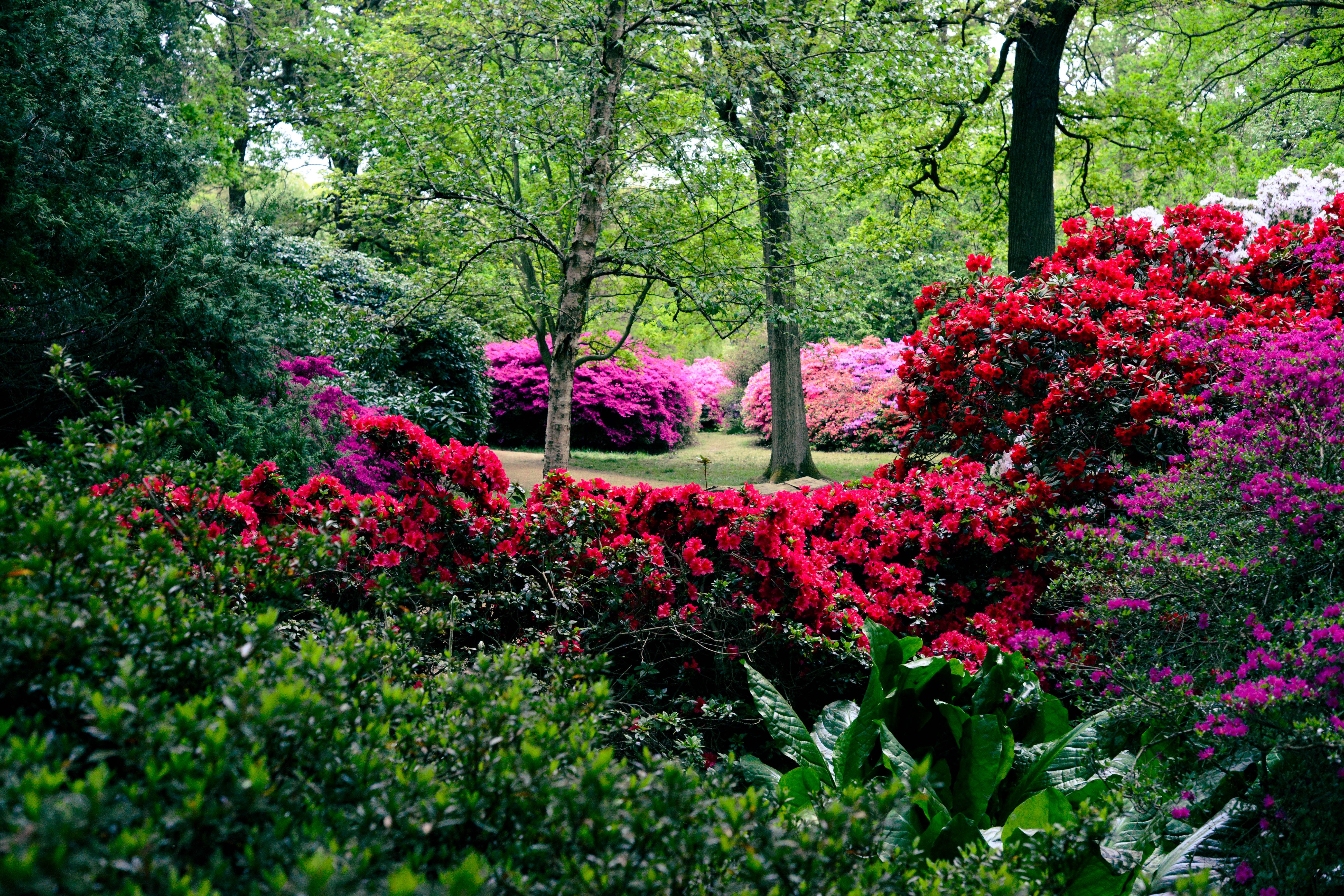
A Simple Guide to Growing Healthy Plants Indoors and Out
Pests and diseases are common challenges but can be managed with early detection and appropriate cultural practices. Regular inspection—turning leaves over, checking new growth, and monitoring soil surface—helps catch pests like aphids, scale, spider mites, and fungus gnats before infestations spread. For small outbreaks, manual removal with water sprays, gentle wiping, or pruning affected areas can be effective. Insecticidal soaps and horticultural oils offer low-toxicity options that disrupt pests without harming beneficial insects when used according to label directions.
Disease prevention relies heavily on good sanitation and airflow. Avoid overhead watering for species prone to fungal leaf spots; water at the base instead. Remove dead or diseased foliage promptly and clean tools between uses to prevent spreading pathogens. Good spacing in garden beds and between houseplants improves air circulation and reduces humidity pockets where fungi thrive. For soil-borne diseases, crop rotation, well-draining soil, and, when practical, replacing contaminated potting mix are useful strategies.
Pruning and routine maintenance keep plants structurally sound and encourage vigorous growth. Remove dead, damaged, or crossing branches to improve form and light penetration. When pruning, make clean cuts just above a node and avoid removing more than a third of a plant’s foliage at once unless it’s a rejuvenation pruning. Deadheading spent flowers redirects energy into new blooms or growth. For woody shrubs and trees, schedule major pruning during dormant seasons unless winter-blooming or spring-flowering species require different timing.
Encourage beneficial wildlife and microorganisms by diversifying plant selections and avoiding broad-spectrum pesticides. Pollinators and predatory insects naturally reduce pest pressure, while mycorrhizal fungi and Earthworms improve nutrient uptake and soil structure. Creating a balanced ecosystem around plants reduces dependency on chemical inputs and supports long-term resilience.
Seasonal routines help plants transition through growth cycles and environmental changes. In spring, focus on cleaning up winter debris, reapplying organic mulch, and performing any transplanting or dividing while plants are still awakening. This is also an excellent time to repot houseplants if roots are crowding a container. Summer care centers on monitoring water needs, shading heat-sensitive plants during extreme afternoons, and continuing pest checks; increase irrigation frequency for containers and newly planted specimens.
Autumn is a good season for preparing plants for dormancy: reduce feeding, gradually decrease watering for species that require a winter rest, and collect seeds or cuttings if propagation is planned. For garden beds, apply a final layer of compost to enrich soil and protect root systems. In winter, protect vulnerable outdoor plants with frost cloths, mulch, or temporary windbreaks, and bring tender houseplants away from cold drafts and near consistent light sources.
Container gardening and small-space strategies are adaptable across seasons. Choose appropriately sized containers with drainage and match potting mix to the plant’s needs. Group containers to create mini-microclimates—placing thirsty plants together reduces mismatched watering. Rotate containers periodically to even out light exposure. For balconies or patios, consider vertical planters or railing boxes to maximize space while ensuring adequate root volume for each plant.
Consistent monitoring, modest adjustments, and patience are the cornerstones of reliable plant care. Small, steady improvements in placement, watering, soil management, and seasonal preparation yield healthier, more resilient plants over time. With observation and a few practical routines, most plant keepers can reduce problems and enjoy vibrant green spaces year-round.

Heading 5
Add paragraph text. Click “Edit Text” to update the font, size and more.
Heading 5
Add paragraph text. Click “Edit Text” to update the font, size and more.
Heading 5
Add paragraph text. Click “Edit Text” to update the font, size and more.
bottom of page