top of page

Pruning Techniques for Indoor Plants
27 août 2026
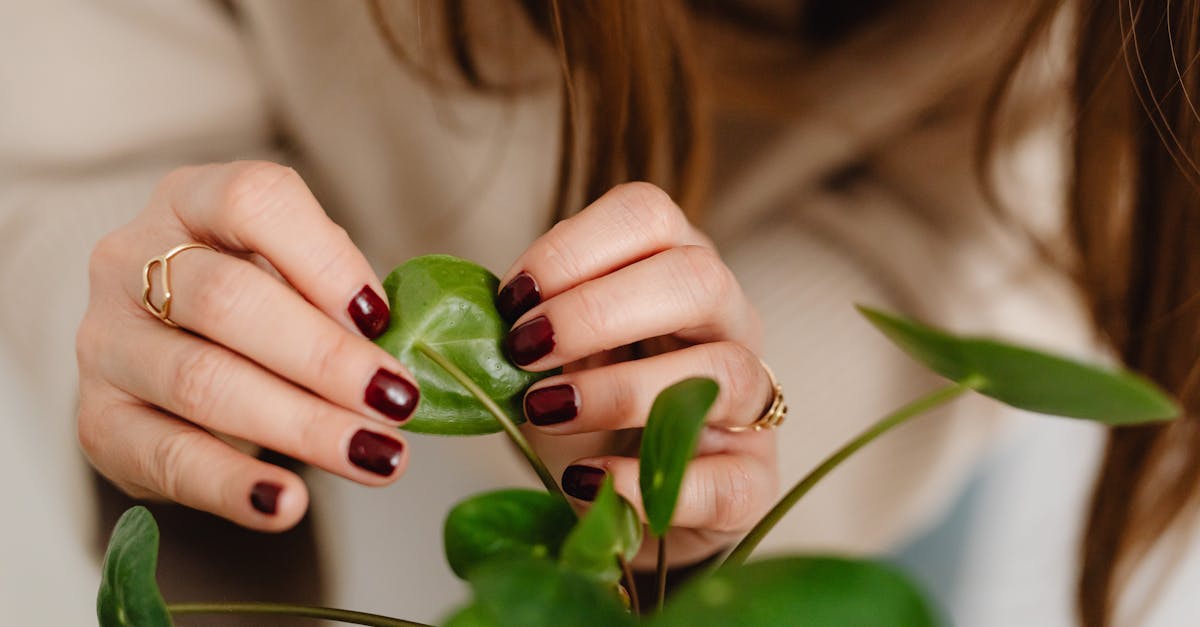
When it comes to caring for indoor plants, one often overlooked practice that can make a significant difference in their health and appearance is pruning. Pruning is not just about aesthetics; it is a fundamental aspect of plant care that can promote growth, control shape, and encourage flowering. Whether you're a seasoned plant parent or just starting your indoor garden, understanding proper pruning techniques is essential for the overall well-being of your plants.
Typically, indoor plants require regular pruning to maintain their shape and promote healthy growth. Over time, plants can become leggy or unruly, especially when grown in containers. By removing dead or overgrown branches, you can stimulate new growth and ensure that your plant remains compact and attractive. Additionally, pruning can help improve air circulation around the plant, reducing the risk of pests and diseases.
Essentially, pruning involves selectively removing parts of a plant to shape it, control its size, or encourage specific growth habits. While the thought of cutting your beloved plant may seem daunting, rest assured that with the right techniques, pruning can be a simple and satisfying task. The key is to understand the needs of your plant species and to prune at the right time and in the right way. By mastering the art of pruning, you can help your indoor plants thrive and flourish for years to come.
As a whole, mastering the technique of pruning for your indoor plants also involves understanding the various tools required for the task. Having the right tools on hand can make the pruning process more efficient and help you achieve cleaner cuts, reducing the risk of damage to your plants. Common tools for pruning indoor plants include sharp scissors, pruning shears, and pruning saws, each designed for specific types of cuts depending on the plant's size and thickness of branches.
While regular pruning is beneficial for most indoor plants, it is equally important to keep in mind that different plant species have varying needs when it comes to pruning frequency and intensity. Some plants, like fast-growing vines, may require more frequent pruning to keep them in check, while others, such as succulents, may need minimal pruning to maintain their shape. Researching your specific plant species and understanding their growth patterns will help you determine the best pruning approach for each plant in your indoor garden.
In particular, when pruning your indoor plants, pay attention to signs of distress or disease in your plant. By regularly inspecting your plants during the pruning process, you can identify and address any issues before they escalate, ensuring the overall health of your green friends. Moreover, pruning offers an opportunity to assess the overall condition of your plant, providing a chance to remove any unhealthy or damaged parts and promote new, healthy growth.
In reality, with a little practice and knowledge, pruning can be a rewarding experience that not only benefits your plants but also enhances your skills as a plant parent. By incorporating proper pruning techniques into your plant care routine, you can create a harmonious environment where your indoor plants can thrive and bring joy for years to come.

Perfecting Indoor Plant Pruning
With this in mind, it is essential to approach pruning with care and attention to detail. Once you have the necessary tools and knowledge, you can begin practicing the art of pruning with confidence. Each plant you care for will present unique pruning challenges and opportunities. For instance, while some plants may require frequent trimming to maintain their shape, others may only need occasional pruning for maintenance.
Understanding the growth patterns of your indoor plants will help you determine the best approach to pruning. For example, trailing plants like pothos or philodendron may benefit from regular pruning to encourage bushier growth and prevent them from becoming stringy. On the other hand, compact plants such as peace lilies may only need occasional pruning to remove yellowing leaves and promote new growth.
Moreover, when pruning, it's important to observe how your plant responds to the cuts you make. While most indoor plants are resilient and will recover well from pruning, some may be more sensitive. By paying attention to how your plant reacts to pruning, you can adjust your technique if needed and ensure that your plant remains healthy and thriving.
Afterward, taking the time to care for your indoor plants through proper pruning not only enhances their appearance but also contributes to their overall well-being. In essence, pruning is a form of self-care for your plants, helping them grow stronger, healthier, and more beautiful. So, grab your pruning shears, put on your gardening gloves, and start shaping your indoor jungle into a lush and vibrant paradise one snip at a time.
Taking the time to understand the needs of your indoor plants and mastering the art of pruning can truly transform the way you care for your green companions. By incorporating proper pruning techniques into your plant care routine, you not only enhance the aesthetic appeal of your indoor garden but also promote the overall health and vitality of your plants. Remember, each snip and trim is a step towards creating a flourishing and vibrant indoor oasis.
In conclusion proper pruning is a vital aspect of indoor plant care that should not be overlooked. By investing time and effort into mastering pruning techniques, you can help your plants thrive and flourish. From promoting growth and controlling shape to keeping pests at bay and preventing disease, pruning plays a crucial role in maintaining the well-being of your indoor garden. So, grab your tools, take a deep breath, and embark on a journey towards nurturing your indoor plants to their full potential. Happy pruning, and may your indoor jungle blossom with beauty and life!

Heading 5
Add paragraph text. Click “Edit Text” to update the font, size and more.
Heading 5
Add paragraph text. Click “Edit Text” to update the font, size and more.
Heading 5
Add paragraph text. Click “Edit Text” to update the font, size and more.
bottom of page